Women’s contributions to peacebuilding, conflict prevention, reconstruction underrecognized, underfunded – Amb. Fatima Kyari Mohammed

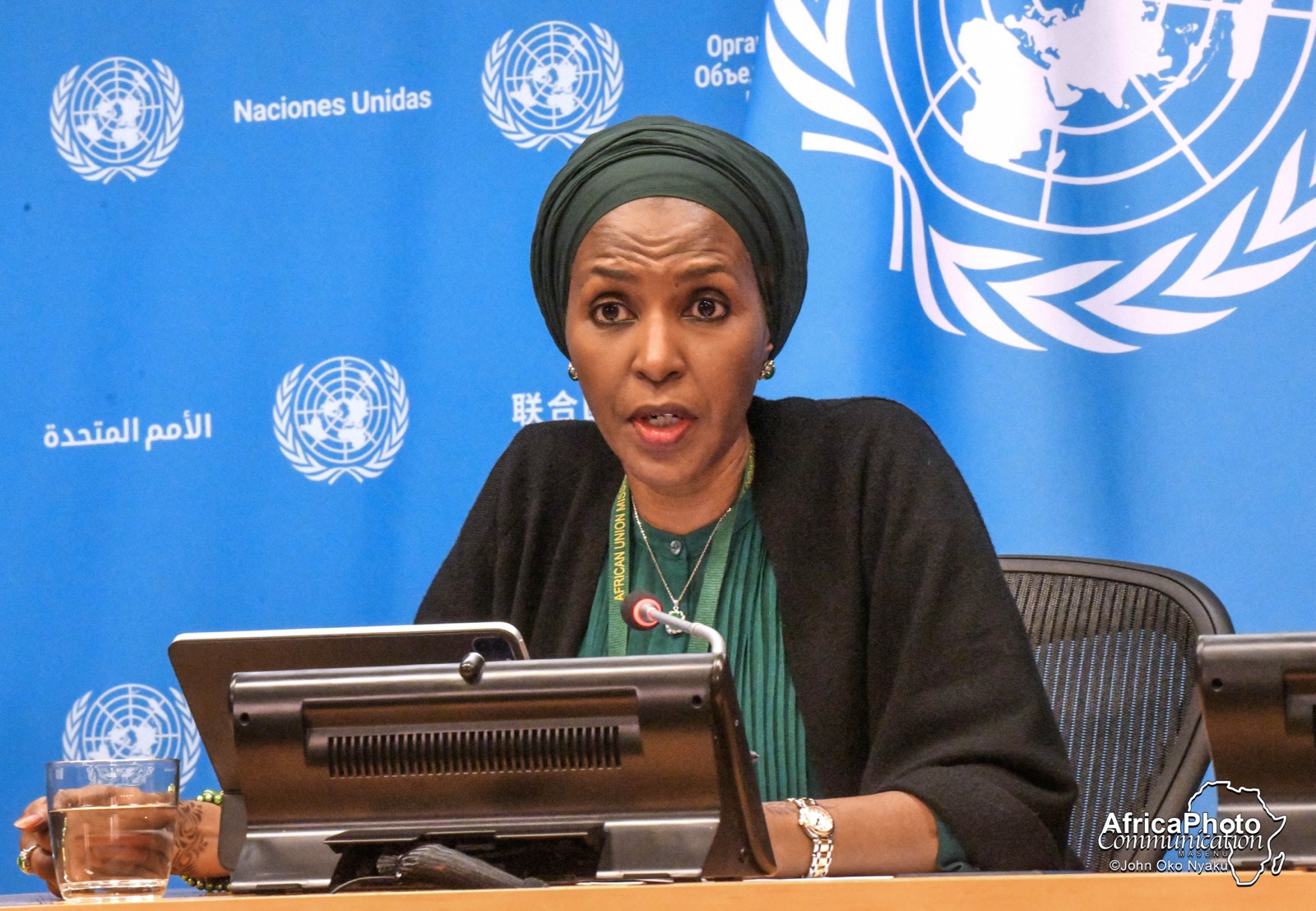
Ambassador Fatima Kyari Mohammed, Permanent Observer of the African Union (AU) Mission to the United Nations, has said that the contributions of women to peacebuilding, conflict prevention, and post-conflict reconstruction have largely remained underrecognized and underfunded, insisting that the anomaly must be redressed in the interest of all.
According to Ambassador Mohammed, the vital contributions which women have continued to make despite persistent challenges and pushback range from grassroots movements to high-level negotiations that have shaped resilience, brokered peace, and rebuilt communities.
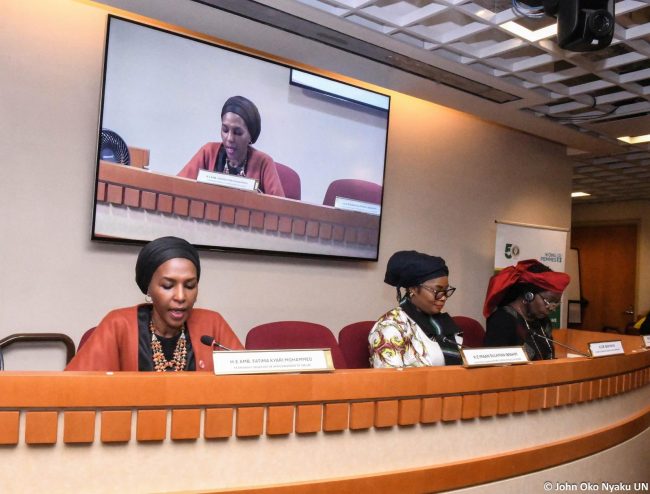
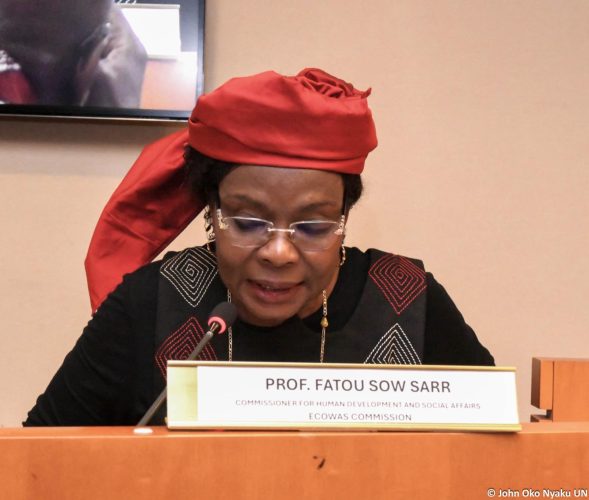
The top Diplomat, who said these in her opening remarks at the recent ECOWAS Side-Event on the margins of the 69th Session of the Commission on the Status of Women, held in New York, United States, stressed that the existing anomaly “is why initiatives such as the ECOWAS Women Peace & Security Mentorship Academy and the ECOWAS Women’s Livelihood and Digital Inclusion Projects are not just pertinent programs, but essential.”
She said further that she is proud, as the AU Permanent Observer to the UN, to stand alongside ECOWAS in championing these efforts, pointing out that “the African Union’s Agenda 2063, the Silencing the Guns initiative, Femwise Africa and groundbreaking initiatives such as the African Women Leaders Network, all reinforce the importance of investing in women’s leadership in peace and security.”
Ambassador Mohammed told participants at the program, which had as its theme: “ECOWAS’ Women, Peace & Security Response Initiatives in West Africa,” that “it is only through sustained commitment, resources, and collaboration that we can translate policy into action and action into lasting impact.”
She expressed appreciation for the existing strategic partnership between the AU and ECOWAS, aimed at fostering regional integration, peace, security, and socio-economic development in West Africa, and noted that this collaboration is guided by the AU’s Agenda 2063 and ECOWAS’ own Vision 2050 for economic and political integration in the region, stressing that the partnership with ECOWAS, a body that she described as “a valuable ally,” is essential for all.
Mohammed also considered worthy of celebration, the adoption in February 2025, of the AU Convention on Ending Violence Against Women and Girls (CEVAWG) by the AU Heads of State, pointing out that “this historic achievement was made possible through the collective efforts of our dedicated partners, including UN Women, UNDP, and the African Women Leader Network.”
She urged exploration of innovative ways to further support the women, peace and security agenda, and challenged women to seize the moment “to indeed push back the pushback,” and stand strong on the resolve to end violence against women and girls while strengthening partnerships towards reaffirming peace in Africa.
The Permanent Observer pointed out that this is crucial because “as it has been reported, when women lead – when women are involved – peace is sustainable, lasts longer,” hence the need for “the full, equal, and meaningful participation of women at all levels.”
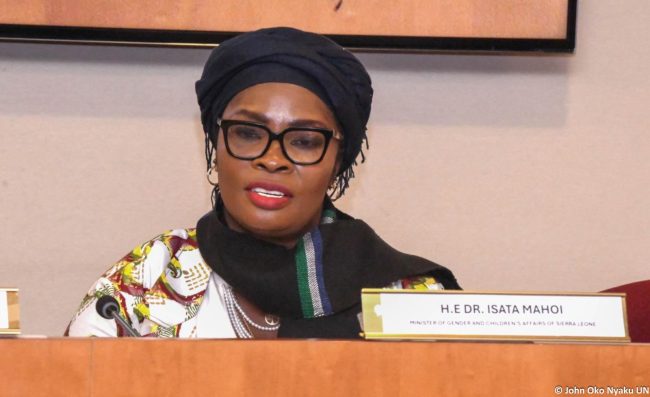
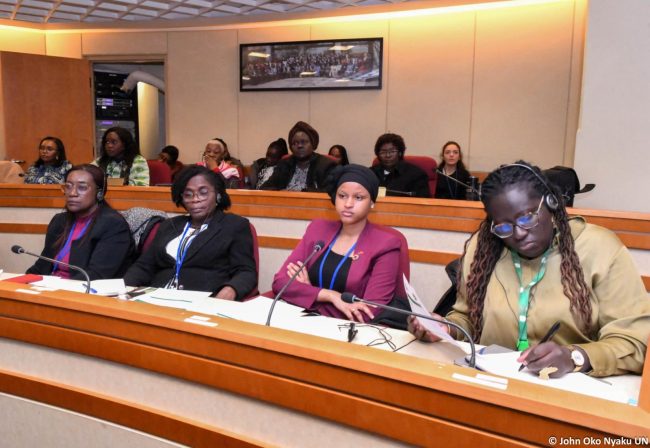
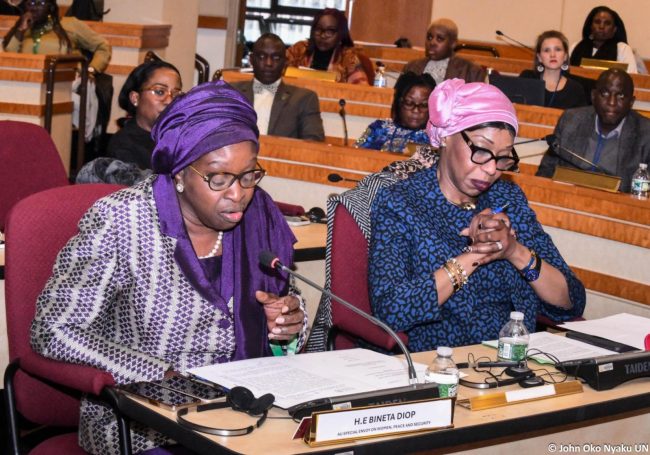
Minister of Gender and Children’s Affairs of Sierra Leone, Dr. Isata Mahoi, and other distinguished women also spoke at the well attended ECOWAS Women, Peace and Security Response Initiatives in West Africa Side Event.