
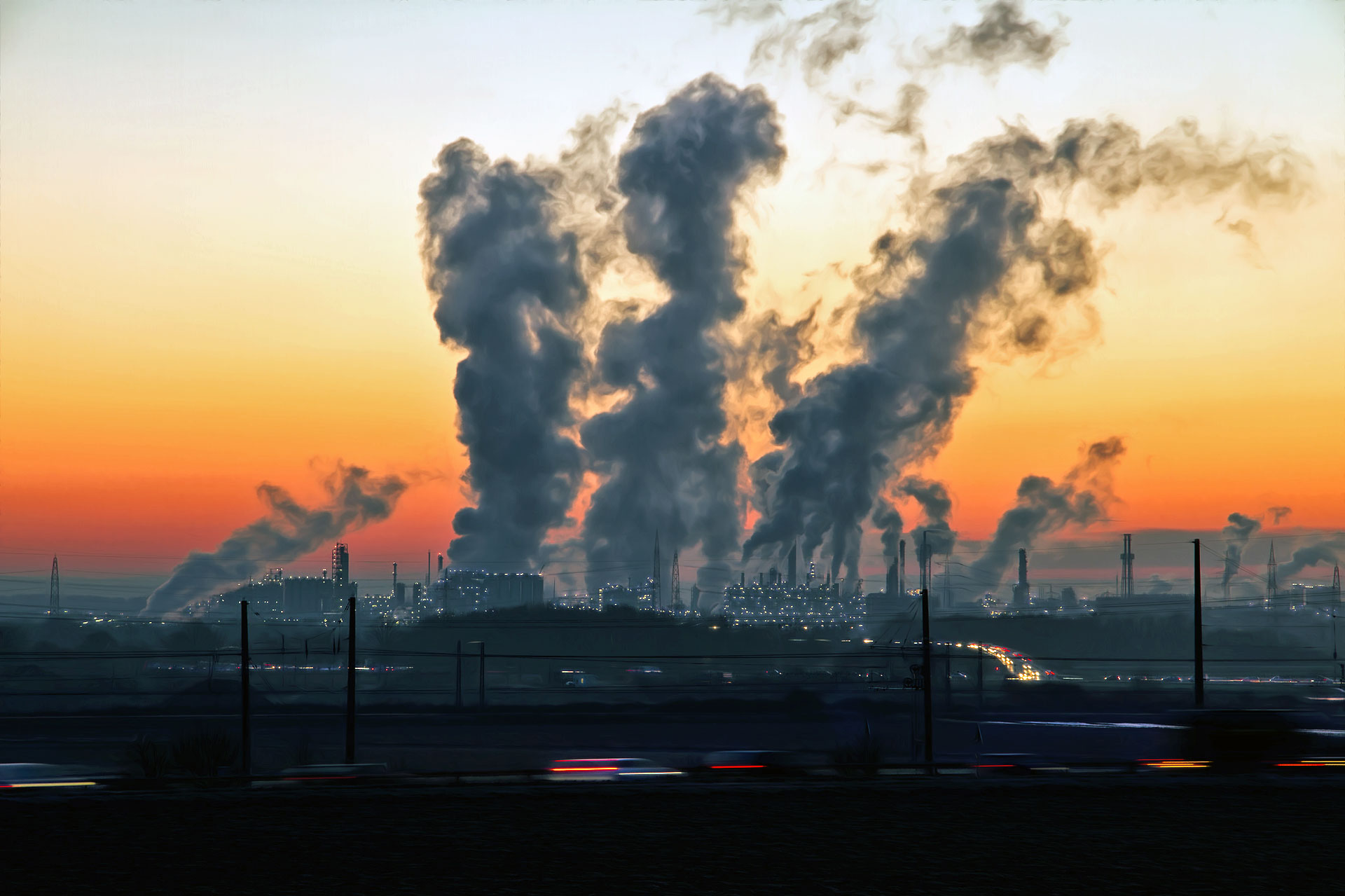
As an industrial hub, it is no surprise that pollution will inevitably follow New Jersey’s most populous city of Newark. The city contains many factories and plants dedicated to maintaining the technological and mechanical welfare of not only the Garden state, but also of some of the affairs of the bordering New York City.
According to the American Lung Association, the city of Newark possesses the sixteenth-worst air quality in the United States – and if they hadn’t researched the dark side of the city yet, residents are certainly noticing Newark’s problems via their senses now.
A strange smell has occupied the city’s air of late, noticeable from neighborhood backstreets to the highways that run directly over mills and factories. Described as a “horse poop smell plus some sewage mixed in”, the smell has grown into an irritant that is impossible to ignore for residents – and for something that is that disruptive, it becomes a mission to find out why it is so.
Research has led many to realize that the city’s pollution issues are largely tied to the recycling of animal byproducts and grease, creating fuel at the cost of the health of locals and their quality of life.
Some companies have been fingered as responsible for this state of affairs and have received severe backlash in recent years for their practices. In the wake of improved environmental initiative and knowledge, the operations of one of these companies have been heavily criticized and have even become the cause of a lawsuit by the state f New Jersey. It is believed that the company has been violating the Air Pollution Control Act (APCA) since 2017, and continues to do so not only in Newark, but other states as well including one state whose Department of the Environment fined their facility last year for these infractions.
Legal forces insist that these companies must cease their harmful practices, re-structure their means of recycling, or consult with environmental experts to prevent pollutant diffusion. Considering that these issues have been prevalent for nearly a decade at least, it is questionable whether the companies involved will on their own, comply with the stipulated standards.
Besides its impact on individuals, the spread of these pollutants has also affected local businesses and entertainment centers. For example, as early as Summer of 2019, Harrison’s Sports Illustrated Stadium – home of the New York Red Bulls professional soccer team – had complained and released statements regarding putrid odors that had found their way into the stadium from local waste. The issue was attributed to a Landfill, another major source of North Jersey’s air pollution, and the Stadium’s alert helped raise awareness among locals who petitioned, demanding the outright closure of the landfill. “The State-owned and operated landfill is polluting our air with hydrogen sulfide and causing harm to our environment and health,” the official Town of Kearny website had, for instance, declared.
Experts insist that the persistence of low air quality is bound to negatively affect residents, especially the youth of North Jersey who are often outdoors. This has also raised questions as to whether life in the area is safe, from health and developmental perspectives.
The experts, who acknowledge that there are substantial risks, therefore, highly recommend that residents must, in the interest of their health and wellbeing, invest in air purifiers, preferably High-Efficiency Particulate Air (HEPA) filters.
Beyond investing in air filters, people are also encouraged to take the proper hygienic procedures to limit exposure to polluted air, including heeding air quality alerts by the appropriate authorities; limiting outdoor activities during peak pollution hours; bathing immediately after being exposed to wash off pollutants clinging to their skin or clothes, and changing their air filters regularly.
Residents and companies that pollute the air as a result of their production processes, are also counselled to invest in mitigation measures as well as in conservation and regeneration of nature.
Towards this end, the use of energy-efficient appliances are highly recommended to reduce consumption of fossil fuel generated energy; use of cleaner transportation methods that are not fume-generating; use of environment-friendly paints and cleaning supplies, as well as planting of new trees and flowers.
Regular hydration and medical check-ups are also highly recommended to ensure good health.


