By Isiah Christie
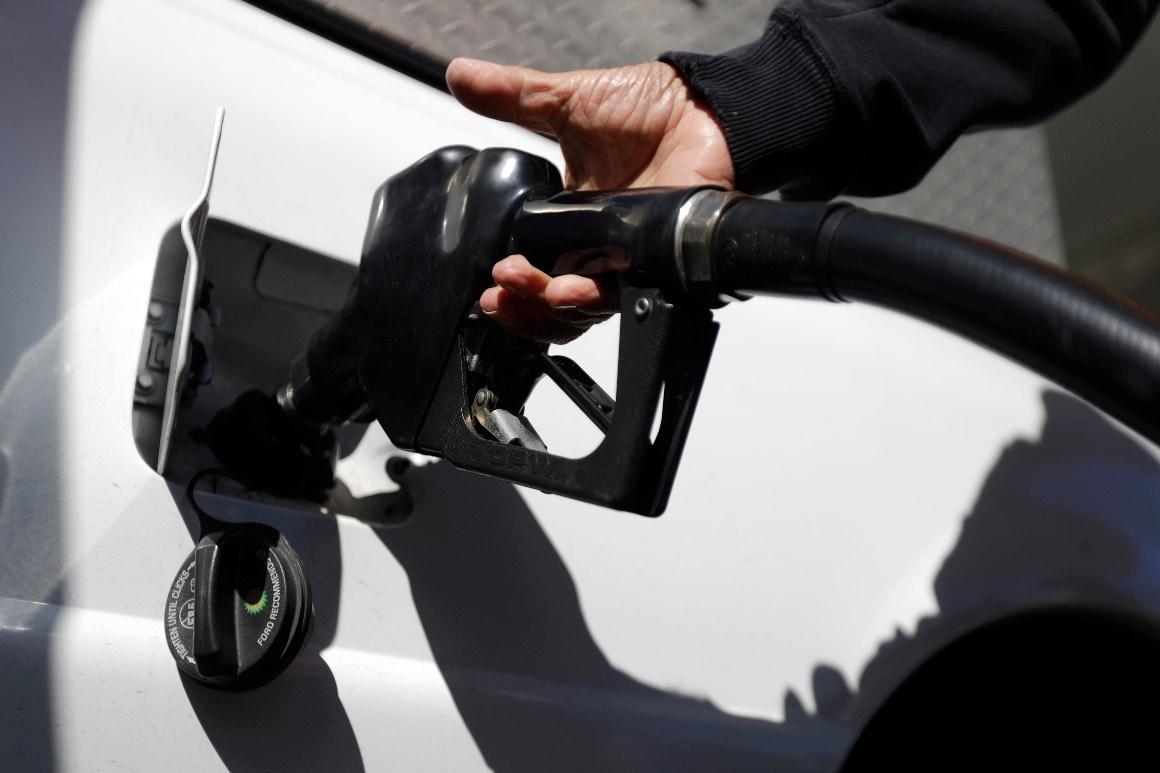
For a country known for being “united,” America’s states have a lot of…strange differences in law. Oregon bans road U-turns unless expressly otherwise stated. Texas has a strict ban on driving without windshield wipers. Florida’s “stand your ground” rule encourages brutal force if it is deemed “reasonable” in self-defense, something very unique to its rulesets. And in New Jersey, a rule that has existed since 1949 strictly prohibits something very specific – pumping your own gas at gas stations.
New Jersey is the only state in the entire country that enforces this rule in the present-day. Oregon previously had a similar rule, but now only requires gas stations to offer gas-pumping service – even residents there are permitted to handle matters on their own. Jersey’s rule is a major source of confusion for outsiders, who may be baffled by its limitations on what otherwise seems to be a trivial task.
The law stems from safety concerns that were at large in the 1940s – self-service was far less common then, but expanded in availability due to improvements in safety and payment options. “By the early 1990s, nearly four out of five gas stations nationwide were self-serve”, according to Robert H. Scott of Monmouth University. It was only Oregon and Jersey that held out, as aforementioned, but as of two years ago Jersey is the only one yet to budge.
While efforts have been made to reverse the ban, there is not enough interest from Jersey locals for a change to happen. Rutgers University conducted a research in 2022 with a firm conclusion that three-out-of-four residents are against self-service, with a notable percentage skewed towards women. Eighty-seven percent of women in New Jersey were against self-service, compared to only fifty-percent of male residents – safety concerns are the likely explanation for this disparity, and are certainly a significant part of why governors in the state are in no rush to reverse their seventy-six-year-old rule.
There are also benefits to the law that many overlook. For example, it creates thousands of jobs for locals. This is especially important because it is a job that does not require higher education, which opens up opportunities for striving employees that have limited options to turn to. It is also a labor option that is not affected by a world increasingly influenced by automation and the replacement of human careers.
Conversely, a large concern lies in the costs it creates – in an environment where self-service is banned, labor costs are factored into gas prices. Many drivers that are against the rule cite this reason, although it is a slightly misinformed assumption – having gas station workers means insurance for them, therefore minimizing the possibility and subsequent costs of accidents. The change in price is also marginal, considering Oregon has only seen a forty-four-cent drop per gallon since reversing their rule.
It is unlikely that self-service will ever find itself in New Jersey anytime soon, but perhaps that’s a characteristic its citizens should embrace. Having unique rules is just another part of a resident’s story in their state, and the positives are clearly outlined.