Stage where expression, affirmation and hope were found By ThankGod Emeh

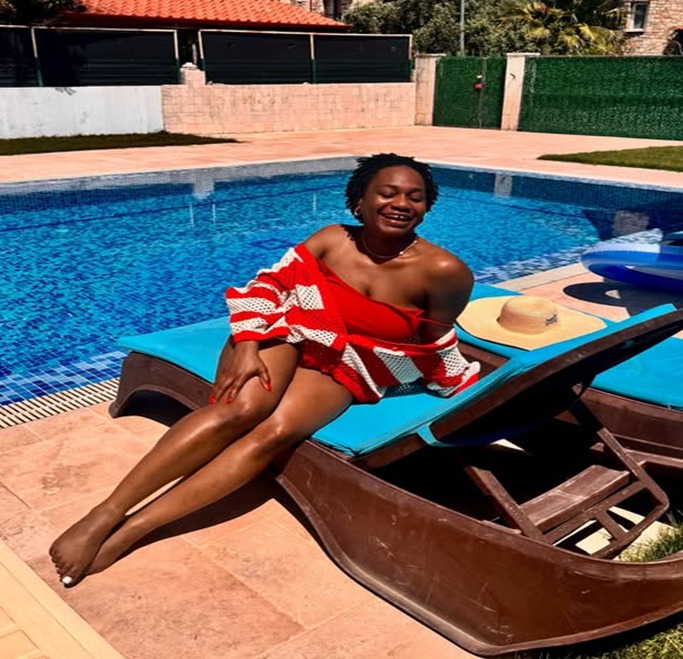

Ezinne Asinugo is one of those rare artists whose life story reads almost like a dance performance in itself, full of rhythm, struggle, grace, and triumph. Born in Eastern Nigeria on Thursday, 13 September 1990 and raised in the United Kingdom, she grew up in a home where academics and morality were strongly emphasized. Her father worked as a journalist, while her mother was a Vicar of the Church of England. And their influence created an environment of discipline, intellectual curiosity, and faith not only for Ezinne but for her older sister who is a lawyer and two older brothers, one an entrepreneur, the other a senior business analyst. Yet, somewhere within that structured upbringing, Ezinne discovered a creative restlessness, an inner rhythm that would not allow itself to be silenced. That rhythm would eventually carry her from the corridors of her school in London to some of the world’s biggest stages, making her a familiar face of African dance and culture across the globe.
What many of her fans are yet to know was that her introduction to dance was not glamorous. At around the age of eleven, Ezinne endured severe bullying in school, an experience that deeply scarred her self confidence. But it was in the middle of that storm that she found the courage to choreograph a dance routine for the end-of-year performance of her class. As the music played and her peers moved to steps she had created, she discovered both the healing and empowering nature of dance. The cheers and applause she received afterwards marked her personal rebirth. What might have remained a casual interest became a passion, and soon, a clear vocation. From that point on, dancing was never just an activity for her, it had become an affirmation of self, a way of speaking a language that words could not contain.
Still, she was not going to abandon her academic pursuit. True to her family background, she pursued higher education with diligence and graduated with a second class upper degree in Accounting and Management from the University of Westminster in 2013 at the age of 23. But even while she was in the university, the beat of music continued to call to her. It was at the university that fate introduced her to two other young women who would change her life forever, Soliat Bada and Nqobilé Ntshangase. Together, the trio formed what would become the sensational group known as the CEO Dancers. They trained, experimented, and pushed the boundaries of performance until they were ready to share their vision with the world.
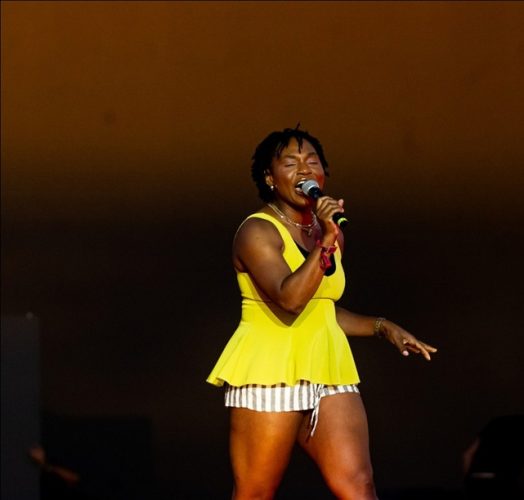
In the same 2013 she graduated from Westminster University, the CEO Dancers auditioned for Britain’s Got Talent, one of the UK’s most popular television competitions. What followed was nothing short of extraordinary. With routines that fused the vibrancy of African movement with the discipline of contemporary choreography, they mesmerized both the judges and the audience. Their boldness, their unapologetic African identity, and their raw energy propelled them to the semi-finals. In fact, all the judges were highly impressed and one of them described the young women as “the breath of fresh air with an African flavour”. For many in Britain and across Europe, it was the first time they had seen African dance styles showcased so confidently and stylishly on such a prestigious stage. Overnight, the CEO Dancers became a sensation, and Ezinne found herself standing in the spotlight of global recognition.
The years that followed were a whirlwind of performances, tours, and collaborations. The group graced stages alongside some of the world’s biggest stars. Rihanna, Drake, Wizkid, Davido, Tiwa Savage, D’banj, Yemi Alade, and Fuse ODG were just a few of the artists they shared platforms with. They appeared in music videos, headlined concerts, and travelled across continents, carrying African dance with them wherever they went. For Ezinne, it was more than just a career milestone: it was a mission. She was determined to demonstrate that African creativity was not marginal but central, not an exotic add-on but a vital part of the global entertainment conversation. Her presence on international stages was a statement that postulated: ‘African women can lead, can innovate, and can inspire’.
But even as her star rose to the sky, she remained committed to growth and reinvention. She was not content to simply perform. She wanted to build structures that could outlast her individual career. This desire led her to establish Zinarts Productions, a creative outfit dedicated to stage, fitness, events, television, and film production. Through Zinarts, she created a platform not only for herself but also for other young creative artists who needed mentorship and opportunities. It was her way of ensuring that the doors she had fought so hard to open remained open for others.
In 2019, she acquired another defining moment. She was appointed the lead choreographer of Afronation Festival in Portugal, one of the largest Afrobeat festivals in the world. It was a role that underscored her reputation as both a performer and a creative director. That same festival also saw her step into another arena – music. She performed her single “Instruction – Wosa!” a lively track that combined her love for movement with her flair for rhythm. With that, she added the title of recording artist to her already impressive résumé.
Her creative journey also found expression on screen. She became the presenter of Channel 4’s online dance series Show Me the Moves, where she connected with audiences in a different way, teaching, inspiring, and showcasing the transformative power of African dance rhythms. She also featured in high-profile music videos such as Yemi Alade’s “Sugar,” where her choreography and performance helped bring the visuals to life. Each project reinforced her versatility, proving that she was not just a dancer but a well-rounded performer and creative entrepreneur. Despite the glitter and glamour, Ezinne has never shied away from reflecting on the deeper aspects of her journey. Alongside her CEO Dancers colleagues, she co-hosts the podcast CEO Dancers Off Stage. In it, the trio speak candidly about their lives beyond the spotlight—motherhood, career transitions, personal struggles, and the reality of maintaining relevance as married women in their thirties in an industry that often prizes youth. The podcast has become a refreshing platform for authenticity, allowing fans to connect with the real women behind the electrifying performances. Her personal style and inspirations also offer a glimpse into her personality.
She admires Victoria Beckham for her fashion sense and Laurieann Gibson for her creative choreography, but her greatest motivation comes from within, a relentless drive to remain positive, hardworking, and energetic. She often describes herself not merely as a dancer but as a performer, a storyteller who uses movement to communicate emotion, identity, and culture. This self-understanding has helped her sustain a career that could easily have faded after the brief fame of a talent show. Instead, she has built a legacy that continues to expand.
Ezinne’s life and career must teach lessons that go beyond dance. They speak of resilience, the resilience of a child who turned the pain of bullying into the joy of performance. They speak of cultural pride, the pride of a Nigerian woman who has carried her heritage onto the world’s biggest stages. They speak of vision, the vision of an artist who understood that true success lies not only in personal achievement but also in creating opportunities for others. Above all, they speak of passion, the passion that transforms a hidden talent into a lifelong career. Today, as she continues to choreograph, perform, produce, and inspire, Ezinne Asinugo remains a beacon for a new generation of African creative artists. She has shown that dance can be more than entertainment: it can be empowerment, it can be business, it can be a platform for cultural diplomacy. In her, we see a fusion of Africa and the world, tradition and modernity, artistry and entrepreneurship. Her journey reminds us that the stage is not only a place of performance but also a place of transformation, where individuals and communities can find expression, affirmation, and hope. And in every step she takes, every move she makes, Ezinne Asinugo continues to dance not just for herself, but for all who dare to dream.
Emeh is Editor ROLU Business Magazine