By Ihechinyere Chigemeri-Uwom
Umuahia,Oct. 9, 2025
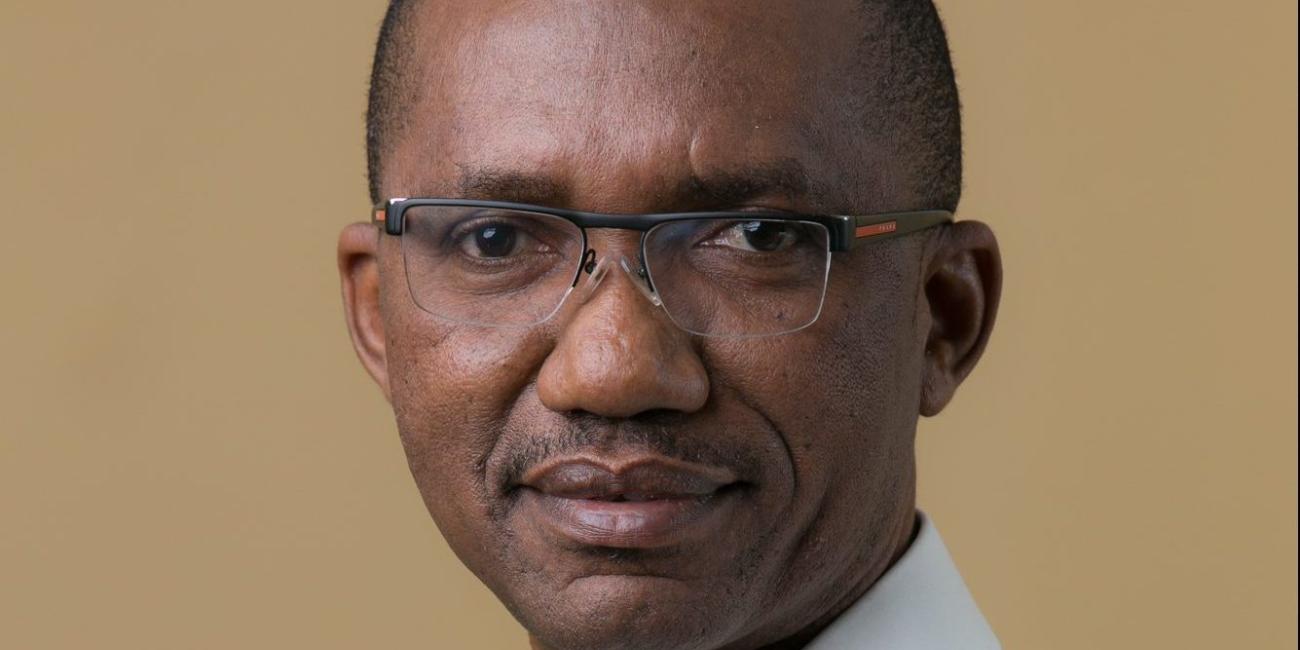
The State’s Commissioner for Health, Dr Enoch Uche, has urged Abia residents to take better care of their eyes, warning that most vision loss can be prevented with early treatment.
Uche made the call at an event organised by the Abia Health Eye Management Bureau in commemoration of the 2025 World Sight Day with the theme “Love Your Eyes” ,in Umuahia.
He described the theme of this year’s observance as a call to action for individuals, communities, and institutions to prioritise eye care.
“If you love your life, you must love your eyes because vision is essential to how we learn, move, work, and interact.
“Poor eyesight reduces quality of life, limits opportunity, and leads to avoidable suffering,” Uche said.
According to him, figures from the World Health Organization reveal that 9 per cent of Nigerian adults over the age of 50 have become blind or severely visually impaired, one of the highest rates globally.
He added that an estimated 400,000 Nigerian children also live with visual impairment, mainly due to undiagnosed or untreated conditions.
“Cataract and glaucoma remain the leading causes of blindness in Nigeria, yet, many of these cases can be prevented or reversed if diagnosed early and managed properly,” he said.
Uche outlined practical steps for prevention, to include regular eye check-ups, limiting excessive screen time, and seeking professional care for any visual changes.
He warned against patronising unlicensed providers and discouraged the use of unverified herbal treatments.
Uche warned media houses against promoting unverified medical products, saying the Ministry of Health would take action against misinformation.
He said: “Only health claims approved by the Ministry of Health should be advertised, because public safety cannot be compromised for profit.”
Uche urged traditional leaders and community heads to spread awareness and help monitor health-related activities in their areas.
He reaffirmed the state government’s commitment to universal eye care access, calling on every resident to play their part.
“Good vision is not a luxury, it is a necessity and together, we can prevent needless blindness and ensure a healthier, clearer future for all Abia residents,” Uche said.
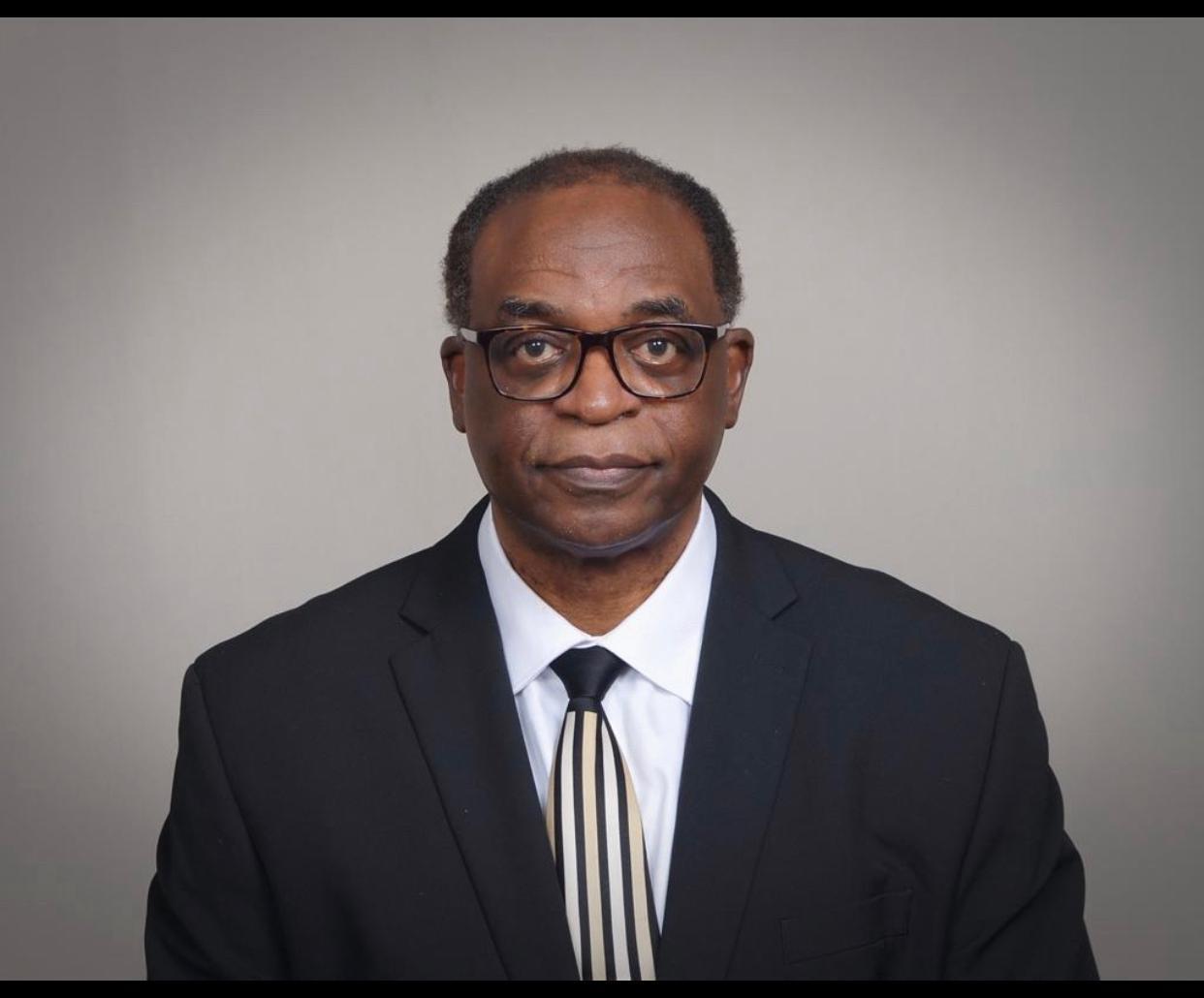
In her address, the Administrator of the Bureau, Dr Betty Emeka-Obasi, reaffirmed the government’s commitment to eliminating avoidable blindness and making quality eye care accessible to all residents.
Emeka-Obasi highlighted the progress made by the present administration, including the establishment of the Bureau by executive order in July 2024.
“Since inception, we’ve screened over 15,000 people, provided 11,000 free screenings, and conducted 2,000 life-changing eye surgeries.
“Our vision is clear: no one in Abia should suffer from preventable blindness,” she said.
Emeka-Obasi said that the Bureau had also upgraded the State Specialist Hospital Eye Centre and inaugurated integrated vision centers in ten primary healthcare centres with four being fully operational.
She expressed concern over widespread quackery and harmful eye practices in rural areas, noting that preventable blindness in Abia had become higher than the national average.
“Only 15 per cent in rural areas access annual screenings, and women face a 12 per cent gap in care,” she said.
Emeka-Obasi announced the state’s upcoming School Eye Health Programme , with over 190 teachers already trained to identify early signs of eye conditions in children.
She challenged community leaders and citizens to report unlicensed practitioners and encourage regular screenings.
“Quackery must end, rural neglect must cease and gender disparities must be shatter in our state.
“Let us be the change and together, we will empower Abia—one clear gaze at a time,”Emeka-Obasi said.
In his speech, the keynote speaker of the event, Prof. Emmanuel Esenwah, urged collaboration among individuals, organisations, and governments to tackle preventable blindness and vision impairment.
Esenwah said that a shortage of accessible eye care services in low-income areas forces many individuals to rely on self-medication, often using traditional or local remedies.
He warned that such practices may worsen conditions and lead to permanent vision loss.
Esenwah said that the trend highlights an urgent need for better healthcare infrastructure and increased awareness about the risks of untreated eye problems.
Esenwah commended the state government for establishing vision centers in 10 primary healthcare centers and transformation of the health sector in Abia.
He added that it ensures continuous, comprehensive eye care through promotive, preventive, curative, and rehabilitative interventions across all service levels.
According to him, such care remains key to achieving universal health coverage and Sustainable Development Goal 3, ensuring healthy lives and well-being for all ages.
He stressed the vital role of sight, calling it the most dominant sense and essential for learning and everyday life.
In her remark, a Consultant Ophthalmologist, Dr Chioma Uchendu, warned against using harmful substances like breast milk or urine in treating eye problems, as such practices can lead to blindness.
Uchendu stressed the dangers of patronising untrained individuals, urging people to avoid quack practitioners when dealing with eye issues.
Uchendu also recommended that adults aged 40 and above should have their eyes checked annually to detect problems early.
She noted that conditions like diabetic retinopathy may not show symptoms but can be detected early through regular eye examinations.
According to her, children’s eyes should be screened at birth, particularly for premature babies, and again before they start school at age three.
Also, the Head of the Optometry Department at Gregory University, Dr Obilor Osigwe, also spoke on the importance of nutrition for eye health.
Osigwe encouraged the public to include foods like palm oil and omega-rich fish in their diets, as they contain vital nutrients like Vitamin A and Omega-3.
The Director of Public Health and Disease Control in the State Ministry of Health, Dr Princess Orieji, cautioned against believing exaggerated claims by unqualified individuals.
Orieji reaffirmed the government’s commitment to public education, awareness campaigns, and strong advocacy against quackery in eye care.
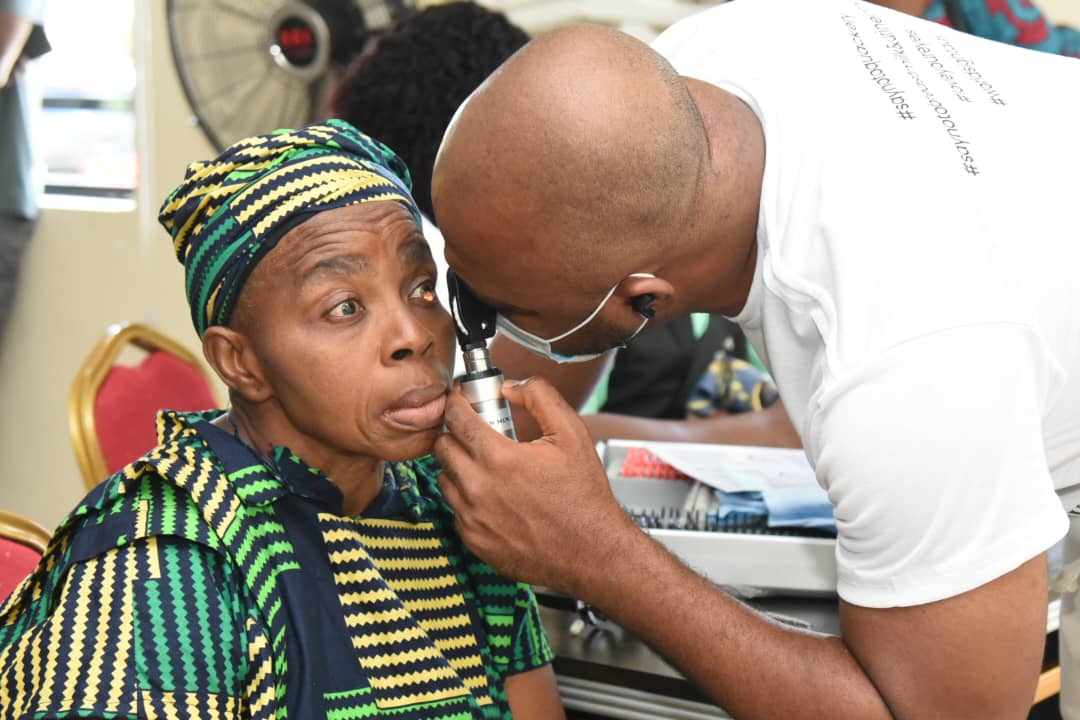
The event featured symposium, drama presentation, free eye screening, as well as distribution of reading glasses and eye drops.
The World Sight Day is a United Nations celebration commemorated annually, every second Thursday of October.