The global rise and future of African fashion By Emeka Asinugo, Emeka

Fashion has always been more than fabric and thread. It is culture, history, and expression woven together in colour and design. Over the last two decades, Africa’s fashion industry has moved beyond the continent’s borders to capture the attention of the global stage. What was once viewed as local, traditional, or tribal has now become a powerful international statement of identity, innovation, and economic promise. The African fashion story today is one of rediscovery, creativity, and a confident redefinition of how the world perceives the continent.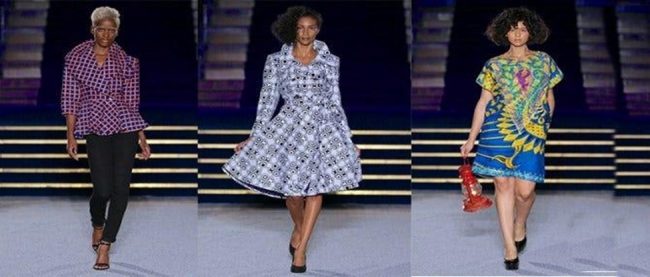
The transformation did not happen overnight. African designers have always existed, crafting garments rooted in heritage and symbolism. What has changed is the narrative and visibility. The global fashion industry, once dominated by Western and Asian influences, has started looking to Africa for inspiration, authenticity, and diversity. From Lagos to Johannesburg, Accra to Nairobi, Dakar to Abidjan, a creative renaissance is unfolding that blends traditional craftsmanship with contemporary aesthetics. The result is a vibrant new movement that celebrates the continent’s cultural wealth while meeting the demands of international fashion consumers.
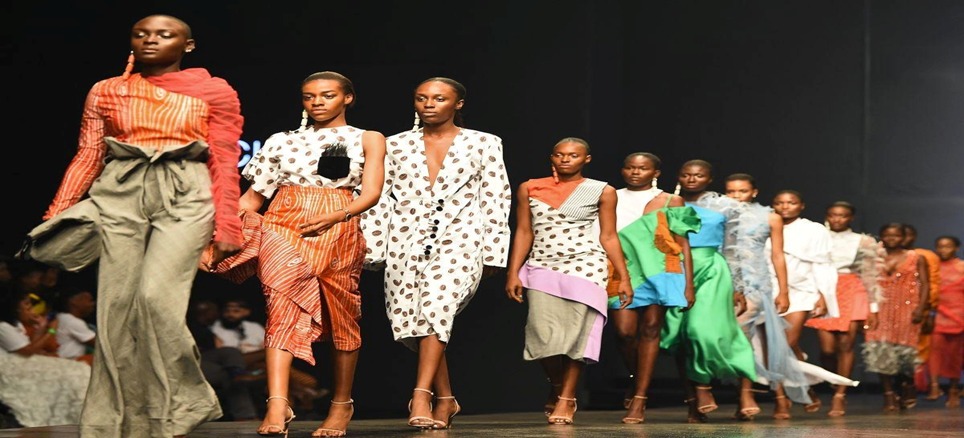
As would be expected, Nigeria stands at the forefront of this movement. The country’s fashion capital, Lagos, has become the beating heart of African style. Lagos Fashion Week, now one of the most anticipated events on the global fashion calendar, attracts designers, buyers, and media from all over the world. Such Nigerian brands as Lisa Folawiyo, Deola Sagoe, Mai Atafo, and Orange Culture have earned international recognition for their unique ability to merge indigenous fabrics like Ankara and Aso Oke with modern tailoring. The result is fashion that not only commands attention on runways in Paris and New York but also tells stories deeply rooted in African experience and identity. Nigerian designers are setting trends, building luxury brands, and transforming fashion into a major contributor to the country’s creative economy.
South Africa has also carved its place as a continental powerhouse in fashion innovation. With its rich multicultural influence, South African fashion reflects a bold, cosmopolitan edge. Designers like Thebe Magugu, the first African to win the LVMH Prize for Young Designers, have broken barriers by taking South African narratives to international catwalks. Magugu’s designs, often infused with political and historical commentary, showcase how African fashion is evolving from aesthetic appeal to social consciousness. Johannesburg and Cape Town fashion weeks now rival those in established fashion cities, offering platforms where both emerging and veteran designers display the continent’s diversity of thought and design.
In West Africa, Ghana has emerged as a creative hub where traditional textile craftsmanship meets avant-garde design. The country’s iconic Kente cloth, once reserved for royal ceremonies, has been reimagined for the global market. Ghanaian designers such as Christie Brown and Duaba Serwa are using Kente and Batik in innovative ways that appeal to both African and international audiences. Accra Fashion Week and the Chale Wote Street Art Festival have also positioned Ghana as a cultural and creative hotspot, where art, music, and fashion blend seamlessly. This wave of creativity is not just redefining style but also creating sustainable employment and inspiring young designers across the continent.
In East Africa, Kenya is playing a major role in showcasing Africa’s potential in ethical and sustainable fashion. Nairobi’s fashion scene has become synonymous with eco-conscious design and community-driven production. Brands such as KikoRomeo and Adele Dejak have demonstrated that fashion can be both beautiful and responsible. They source local materials, employ local artisans, and prioritize environmentally friendly production methods. Kenya’s approach resonates with a global audience increasingly concerned about sustainability and ethical production, proving that African fashion can lead the world in both creativity and conscience.
Ethiopia’s fashion story is equally compelling. Once known primarily for its textile production, the country has transitioned into a centre for fashion design and garment manufacturing. Designers like Liya Kebede, founder of Lemlem, are merging traditional weaving techniques with modern minimalism, creating products that appeal to international consumers while empowering local weavers.
The Ethiopian government’s support for the fashion and textile sector has also encouraged partnerships with global brands, helping to position the country as both a creative and industrial fashion destination. Senegal, long admired for its vibrant culture and artistic depth, has maintained its leadership in Francophone African fashion. Dakar Fashion Week, founded by designer Adama Paris, has become one of the continent’s longest-running and most respected fashion events. It provides a vital platform for designers across Africa to connect with international buyers and the media. Senegalese fashion, with its bold use of colour, flowing silhouettes, and impeccable tailoring, continues to influence global trends. The emergence of Dakar as a creative capital underscores how West Africa’s artistic traditions are being reinvented for the modern world.
In North Africa, Morocco’s intricate textiles, embroidery, and caftans have inspired global fashion houses for decades. Today, Moroccan designers such as Amine Bendriouich are blending traditional motifs with contemporary styles, creating pieces that bridge cultures and continents. The city of Marrakech, with its mix of African, Arab, and European influences, has become a destination for fashion tourism and creativity, attracting international brands and designers looking for inspiration.
Across the continent, a common thread connects all these success stories: authenticity. African designers are no longer imitating Western trends. Instead, they are redefining fashion through their own cultural lens. They are telling stories through fabrics, cuts, and colours that reflect who they are and where they come from. This authenticity has caught the world’s attention because it offers something fresh, meaningful, and rooted in human connection. The global consumer, increasingly tired of fast fashion’s homogeneity, is drawn to African designs that carry heritage, craftsmanship, and individuality.
Technology and digital media have also accelerated this transformation. Social media platforms like Instagram, TikTok, and Pinterest have given African designers direct access to global audiences. Online retail platforms now enable African fashion brands to reach consumers in London, New York, Paris, and Tokyo without traditional intermediaries. E-commerce has bridged the gap between African creativity and global demand, empowering designers to build international brands while remaining based on the continent. The younger generations of Africans, more digitally connected than ever, are using these tools to amplify their voices and showcase their designs with confidence.
Yet, for all its achievements, the African fashion industry still faces challenges. It still has to fill infrastructure gaps, deal with limited access to finance, and the lack of large-scale manufacturing facilities that continues to slow growth in some regions. However, many governments and private investors are beginning to recognize fashion as a viable economic sector capable of generating employment, attracting tourism, and promoting cultural diplomacy. Such initiatives as the African Continental Free Trade Area (AfCFTA) also promise to create a unified market where African designers can trade and collaborate across borders more easily in order to strengthen regional value chains and boost the spirit of competitiveness.
As global attention continues to turn toward Africa, international partnerships are growing. Major fashion houses are collaborating with African designers, while global retailers are sourcing fabrics and designs from the continent. Fashion education is also evolving, with institutions such as the African Fashion Foundation and Lagos Fashion Academy grooming the next generation of designers, stylists, and fashion entrepreneurs. These developments signal a promising future where African fashion is not only consumed but respected as a powerful cultural and economic force. The global rise of African fashion is, in essence, a celebration of creativity born from resilience and identity. It is proof that Africa’s greatest export is not only its natural resources but its people – their artistry, imagination, and ability to turn heritage into global innovation. As designers continue to push boundaries, experiment with materials, and tell stories that bridge the past and present, the world is taking notice. The future of African fashion lies in this balance between tradition and modernity, between local craftsmanship and international ambition. It is a future where a dress made in Lagos can be worn in London, where a handbag crafted in Nairobi can grace the shelves of Paris boutiques, and where the stories of African cultures are woven into the global fabric of style. Fashion is giving Africa a new voice that speaks with confidence, colour, and creativity and the world is finally listening.
Chief Sir Asinugo, PhD., M.A., KSC writes from UK