
By Kingsley Okoye
Abuja, April 20, 2026
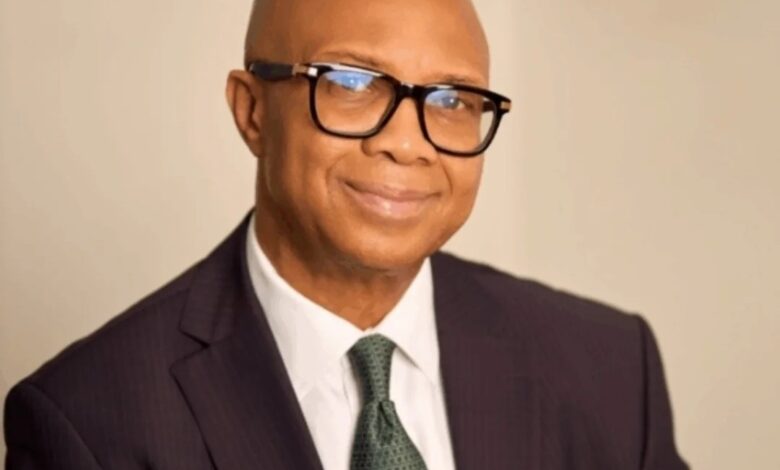
Mr. Ben Akabueze, a former Director-General of the Budget Office of the Federation, says more than 56,000 government projects remain uncompleted across Nigeria, highlighting gaps in the country’s public finance system.
Akabueze said this on Monday at a policy dialogue organised by the National Assembly’s Joint Committees on National Planning and Economic Development in Abuja.
He said Nigeria’s challenge was not a lack of development plans but weak implementation.
“We are not short of ideas or frameworks; the real task is translating plans into funded, implemented and completed projects that improve citizens’ lives,” he said.
Akabueze noted that although Nigeria operated a multi-layered planning system linking medium-term plans, sector strategies and annual budgets, implementation had been inconsistent.
According to him, the frameworks often function in isolation, leading to spending patterns that do not sufficiently reflect development outcomes.
He said countries with sustained growth aligned their budgets closely with policy priorities and measurable results.
Akabueze identified key factors affecting budget performance to include weak institutional coordination, revenue shortfalls and rising debt service obligations, which limit funds for capital projects.
He also cited procurement delays, inefficiencies and policy discontinuity as challenges, noting that changes in administration often disrupt ongoing projects.
“These issues result in public spending that does not consistently translate into completed projects or improved service delivery,” he said.
To address the gaps, Akabueze proposed the adoption of a results-based budgeting system that tied government spending to measurable outcomes.
He said the approach would link national development goals with policies, sector strategies and project implementation, ensuring accountability and impact.
Akabueze also recommended the enactment of an Organic Budget Law to strengthen the connection between planning and budgeting, improved project design and costing, as well as enhanced revenue mobilisation.
He emphasised the need to digitise public financial management systems to boost transparency and real-time monitoring, as well as reforms in procurement processes.
On the 2026 budget, Akabueze acknowledged improvements in capital expenditure, infrastructure and security allocations.
He, however, cautioned that revenue projections, particularly oil-related earnings, must be carefully managed to avoid implementation challenges.
He stressed the importance of policy consistency, adherence to approved budgets, timely release of funds and sustained legislative oversight.
Akabueze also called for continuity in project execution across administrations to maximise public investment.
He said strengthening the link between planning and execution would ensure efficient use of resources and delivery of tangible benefits to citizens.


