
Social media influencers, digital creators and communication professionals from across southern Nigeria have completed a three-day intensive training camp on electoral integrity, designed to equip them with the skills to combat misinformation and promote credible information ahead of Nigeria’s 2027 general elections.
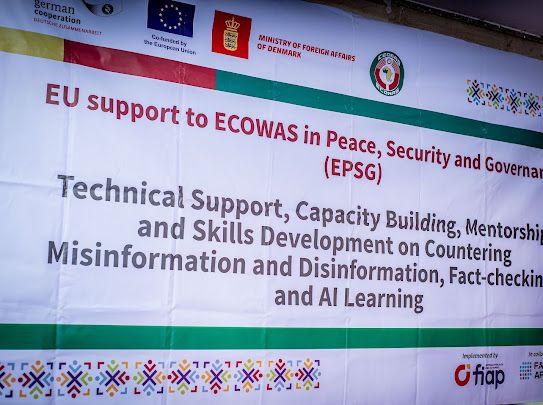
The programme, titled “Voices That Count: Training Camps for Social Media Influencers on Electoral Integrity,” was organised by FactCheckAfrica in collaboration with the Fundación para la Internacionalización de las Administraciones Públicas (FIAP) under the European Union (EU) Support to ECOWAS in Peace, Security and Governance (EPSG) Project.
Held at the Carlton Swiss Hotel, Independence Layout, Enugu, the workshop ran from July 6 to July 8, 2026, with participants arriving on Sunday, July 5. The training concluded with the presentation of certificates to all participants during the closing ceremony.
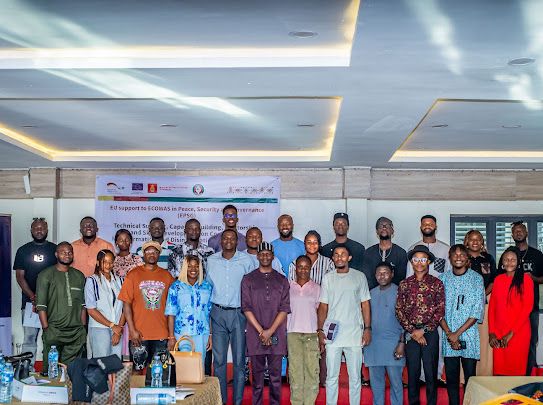
The Enugu camp brought together 30 social media influencers, journalists, digital creators, communicators and online community leaders from Nigeria’s South-East, South-South and South-West geopolitical zones. Collectively, the participants command millions of followers across Instagram, TikTok, Facebook, X and LinkedIn, making them key voices in shaping public conversations online.
The initiative was organised under the campaign #CheckBeforeYouPost: Gen Z Creatives for Electoral Integrity, with the objective of strengthening responsible digital engagement, countering misinformation and disinformation, and encouraging peaceful democratic participation ahead of the 2027 elections.
Speaking during the programme, Abideen Olasupo, Founder of FactCheckAfrica, stressed the growing influence of social media creators in Nigeria’s information ecosystem.
He noted that millions of young Nigerians now receive political information primarily through digital creators rather than traditional media, making influencers critical partners in protecting democracy.
According to him, the training was designed to ensure creators verify information before sharing it, communicate responsibly during elections and use their platforms to strengthen democratic participation rather than spread falsehoods.
Participants received practical training on Nigeria’s electoral information landscape, fact-checking techniques, Open Source Intelligence (OSINT), artificial intelligence-generated content detection, ethical communication, conflict-sensitive reporting, digital storytelling, platform algorithms and online safety.
On the opening day, Mustapha Lawal, Researcher and Fact-Checker at FactCheckAfrica, led participants through Nigeria’s evolving electoral information landscape, highlighting misinformation, disinformation, hate speech, manipulated media and AI-generated content in the country’s electoral environment. Ekene Odigwe, a TEDx Speaker, Communications and Public Relations Strategist, facilitated sessions on ethics, electoral responsibility, conflict-sensitive communication and the civic role of influencers during elections. The duo later co-facilitated the Verification Lab, where participants analysed real electoral case studies using reverse image searches, source authentication, AI-content detection tools and OSINT techniques before presenting their findings. The day also featured the unveiling of the Charter of Ten Principles for Electoral Integrity, a voluntary code to guide responsible online engagement during elections.
Unlike conventional workshops, the organisers adopted a production-focused training model that required participants to develop campaign materials throughout the programme. Working in groups, they created graphics, videos, captions, communication strategies and platform-specific content for deployment as part of the #CheckBeforeYouPost campaign.
On the second day, Jeff Unaegbu, an Author, Filmmaker, Lecturer and Wikipedia Editor, facilitated discussions on mapping Nigeria’s digital micro-communities and identifying audience segments capable of driving electoral integrity campaigns across social media platforms. Participants also underwent a Content Production Masterclass facilitated by Ada Africa, a Digital Creator, Writer and Enterprise Development Expert, who trained them on using accessible tools to produce impactful graphics, videos and platform-specific content. Unaegbu and Ada Africa later supervised the production sprint, where participants developed campaign concepts, messaging frameworks and visual assets for the campaign.
Participants also received extensive training on platform algorithms and ethical amplification from Lukman Adeoti, a Communications Expert and Digital Visual Creator, alongside Mustapha Lawal, helping them understand how platforms such as TikTok, Instagram, Facebook, X and LinkedIn influence visibility and how creators can increase engagement without compromising credibility and electoral integrity.
The final day focused on transforming verified information into compelling campaign messages. Lukman Adeoti returned to facilitate sessions on creative campaign design, audience targeting, storytelling techniques and behaviour-change communication. Participants then moved into the Production Clinic led by Chidiebere Njoku, a Creative Writer, Storyteller and Educator, where they finalised graphics, reels, short videos, captions, threads and creator templates for the #CheckBeforeYouPost campaign. The programme concluded with campaign showcases, peer reviews, action planning, certificate presentations and a commitment by participants to deploy their campaigns within 14 days after the training.
The organisers said the Enugu training camp is the first of three major activities under the EPSG Project. It will be followed by another regional training camp for participants from Northern Nigeria before a final exhibition bringing together Nigerian and international participants to showcase campaign outputs and strengthen regional collaboration on electoral information integrity.
The programme also placed strong emphasis on empowering women and young content creators, reflecting FIAP’s commitment to inclusive democratic participation and responsible digital citizenship.
Among the participants was Nsikakabasi Akpan, a Global Patriot News reporter, who described the training as highly impactful.
According to him, the workshop broadened his understanding of electoral integrity, digital verification and ethical communication.
“The training camp was truly an eye-opener. Beyond learning new fact-checking and verification techniques, it reinforced the responsibility that comes with using digital platforms to shape public opinion. The facilitators were exceptional, the sessions were practical and engaging, and the collaboration among participants made it a huge success. I leave Enugu better equipped to contribute to credible journalism and responsible online communication ahead of the 2027 elections.”
The workshop ended with participants receiving certificates of completion and pledging to use their platforms to promote verified information, counter misinformation and support peaceful democratic participation across Nigeria.


