
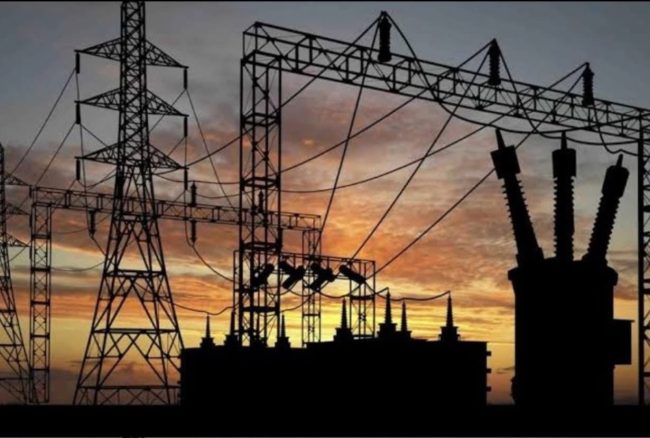
 Nigeria was thrown into nationwide darkness on Friday after the national electricity grid collapsed, the first such incident recorded in 2026.
The system failure happened at about 1:00 pm, when electricity load allocation to all power distribution companies dropped to zero.
Data from the Nigerian Independent System Operator (NISO) showed that power generation fell to zero megawatts (MW), leading to a total shutdown of electricity supply across the country.
A review of the national load profile at the time confirmed that all electricity distribution companies, including those in Abuja, Eko, Benin, Enugu, Ibadan, Ikeja, Jos, Kano, Kaduna, Port Harcourt and Yola, recorded zero load. This confirmed that the outage affected the entire country.
The collapse occurred shortly after grid operators reported strong electricity demand in major cities. Before the failure, Abuja Electricity Distribution Company was receiving about 639 MW, while Ikeja Electric was getting around 630 MW.
As of the time of filing this report, the Transmission Company of Nigeria (TCN), which manages the national grid, had not explained the cause of the collapse. Although restoration efforts were said to be ongoing, there was no clear timeline for full power recovery.