
 Tourism remains one of the most underutilized economic goldmines in Nigeria, despite the country’s vast natural beauty, cultural diversity, historical depth and human capital. Across the globe, tourism has proved to be a reliable source of foreign exchange, mass employment, infrastructure development and regional integration. From Kenya to Morocco, and from South Africa to Egypt, tourism has moved beyond sightseeing to become a structured industry that supports airlines, agriculture, entertainment, transportation, crafts, technology and hospitality. Nigeria, sadly, continues to treat tourism as an afterthought, often confusing genuine tourism development with the ordinary construction of hotels in state capitals and major cities. This narrow approach has limited the sector’s contribution to national income and job creation, even though the raw materials for success are abundantly available.
Nigeria’s tourism potential is rooted in its geography. The country stretches from the Atlantic coastline in the south to the Sahel savannah in the north, offering beaches, mangrove forests, rainforests, waterfalls, hills, deserts, rivers and lakes. Yet many of these natural attractions remain inaccessible, poorly maintained or completely ignored. The coastline alone, spanning Lagos, Ogun, Ondo, Delta, Bayelsa, Rivers, Akwa Ibom and Cross River States, has the capacity to rival some of the world’s most visited beach destinations. Countries like Ghana and Senegal have shown that clean, well-managed beaches, supported by safety infrastructure, cultural festivals and eco-friendly resorts, can attract both domestic and international tourists. In Nigeria, however, beaches are often left to private operators without coordinated planning, leading to environmental degradation, insecurity and inconsistent standards. Strategic public-private partnerships, supported by clear regulations and investment incentives, could transform Nigeria’s coastline into a year-round tourism corridor that generates revenue far beyond hotel room bookings. And it is high time the country’s leaders looked that way.
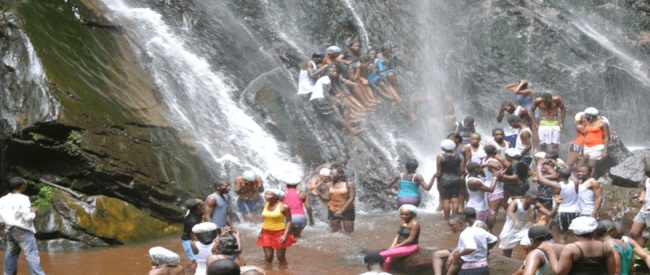
Beyond beaches, Nigeria is endowed with some of the most spectacular waterfalls in West Africa. Erin-Ijesha Waterfalls in Osun State, Gurara Falls in Niger State, Farin Ruwa Falls in Nasarawa State, Agbokim Waterfalls in Cross River State and Owu Falls in Kwara State are just a few examples. In many countries, such natural wonders are carefully developed with access roads, visitor centres, trained guides, safety measures, eco-lodges and strict conservation policies. In Nigeria, these sites are often difficult to reach, because they are poorly promoted and inadequately secured. Investing in basic infrastructure around these attractions would not only create jobs for local communities but also encourage domestic tourism, which remains the backbone of sustainable tourism economies worldwide.
Cultural tourism represents another vast but neglected opportunity. Nigeria is home to over 250 ethnic groups, each with distinct languages, cuisines, festivals, dress styles and belief systems. Annual cultural festivals such as the Osun-Osogbo Festival, Argungu Fishing Festival, Durbar in Northern Nigeria, New Yam Festivals in the Southeast, and the Calabar Carnival already attract significant attention. However, most of these events are treated as one-off celebrations rather than components of a broader tourism calendar. With better planning, marketing and infrastructure, these festivals could be expanded into week-long or month-long experiences that include cultural exhibitions, culinary fairs, craft markets, music concerts and educational tours. This approach would increase visitor spending, extend tourist stays and provide consistent income for artisans, performers and small businesses.
Historical tourism is another underdeveloped sector that holds immense promise. Nigeria’s pre-colonial, colonial and post-independence histories are rich with stories that can attract scholars, students and curious travellers. Such sites as the Sukur Cultural Landscape in Adamawa State, a UNESCO World Heritage site, the ancient city walls of Kano, the Benin Bronzes and palace complex in Edo State, the Ogbunike Caves in Anambra State, Badagry’s slave route relics in Lagos State, and colonial buildings scattered across the country are powerful assets. Unfortunately, many of these sites suffer from neglect, vandalism and poor documentation. Museums are often underfunded, outdated and disconnected from modern storytelling techniques. Investing in modern museums, digital archives, guided tours and interactive exhibitions would reposition Nigeria as a serious destination for historical and educational tourism.
Wildlife and eco-tourism also deserve renewed attention. Nigeria’s national parks, including Yankari Game Reserve, Cross River National Park, Kainji Lake National Park and Gashaka-Gumti National Park, possess enormous ecological and tourism value. Yet they are plagued by poor funding, inadequate staffing, poaching and insecurity. In contrast, countries like Rwanda have demonstrated how wildlife conservation can be combined with high-end tourism to generate revenue while protecting biodiversity. With proper security, community engagement and international partnerships, Nigeria’s parks could attract researchers, photographers and eco-tourists, and as well create jobs in conservation, hospitality and transportation.
Urban tourism, particularly in cities like Lagos, Abuja, Port Harcourt and Uyo, offers another avenue for growth. Lagos, for instance, is already a hub for music, fashion, film and nightlife, driven largely by private initiative. Nollywood, Afrobeats and Nigerian fashions have global followings that could be leveraged to attract creative tourism. Film location tours, music festivals, fashion weeks and creative hubs could be deliberately integrated into tourism planning. Government investment in event infrastructure, transportation and security would help formalise and scale these opportunities, ensuring that revenue is captured and reinvested locally.
A major challenge facing tourism development in Nigeria is the lack of coherent policy implementation. While tourism policies exist on paper, they are often undermined by poor coordination among federal, state and local governments. Tourism thrives on clarity, consistency and long-term planning. Investors need assurance that land rights, tax regimes, security arrangements and environmental regulations will remain stable. Establishing tourism development zones with clear incentives, streamlined approvals and shared infrastructure would encourage both local and foreign investment. Local governments, in particular, must be empowered and held accountable, as many tourist attractions are located in rural areas under their jurisdiction.
Security remains a critical concern that cannot be ignored. No tourism industry can thrive in an atmosphere of fear. Addressing insecurity requires a broader national strategy, but specific measures can be taken around tourism sites, including community policing, surveillance, emergency response systems and visitor insurance schemes. Involving local communities as stakeholders rather than spectators is essential. When communities benefit directly from tourism through employment, revenue sharing and social services, they become active protectors of tourist assets.
Marketing and branding are equally important. Nigeria has suffered from negative international perceptions, often driven by insecurity and governance challenges. While these issues are real, they do not define the totality of the Nigerian experience. A deliberate, well-funded national tourism branding campaign, driven by professionals and supported by digital platforms, could reshape narratives and highlight success stories. Domestic tourism should also be aggressively promoted, as Nigerians themselves represent a vast and largely untapped market. Affordable travel packages, school excursion programmes and corporate retreat incentives would stimulate year-round activities.
Education and capacity building must form the foundation of any sustainable tourism strategy. Hospitality and tourism management should be strengthened in universities and technical institutions, with curricula aligned to global standards. Tour guides, park rangers, event managers and hospitality workers require continuous training to deliver quality experiences. Tourism is a service industry, and service quality determines repeat visits and positive word-of-mouth promotion. Ultimately, investing prudently in tourism is not about erecting luxury hotels in city centres; it is about developing ecosystems that connect attractions, infrastructure, people and policy. Tourism cuts across agriculture, transportation, arts, security, education and technology. When properly harnessed, it can diversify Nigeria’s economy, reduce dependence on oil, create millions of jobs and promote national unity by encouraging Nigerians to explore and appreciate one another’s cultures.
Nigeria stands at crossroads. The resources are there, the stories are there, and the demand for authentic experiences is growing globally. What remains is the political will, strategic vision and disciplined investment required to turn tourism into a true engine of national development. By looking beyond hotels and embracing a holistic approach to tourism, Nigeria can unlock a future where it’s natural and cultural wealth translates into sustainable prosperity for investors, communities and government. Should we not look beyond hotels?
Chief Sir Asinugo, PhD., M.A., KSC, is a veteran journalist