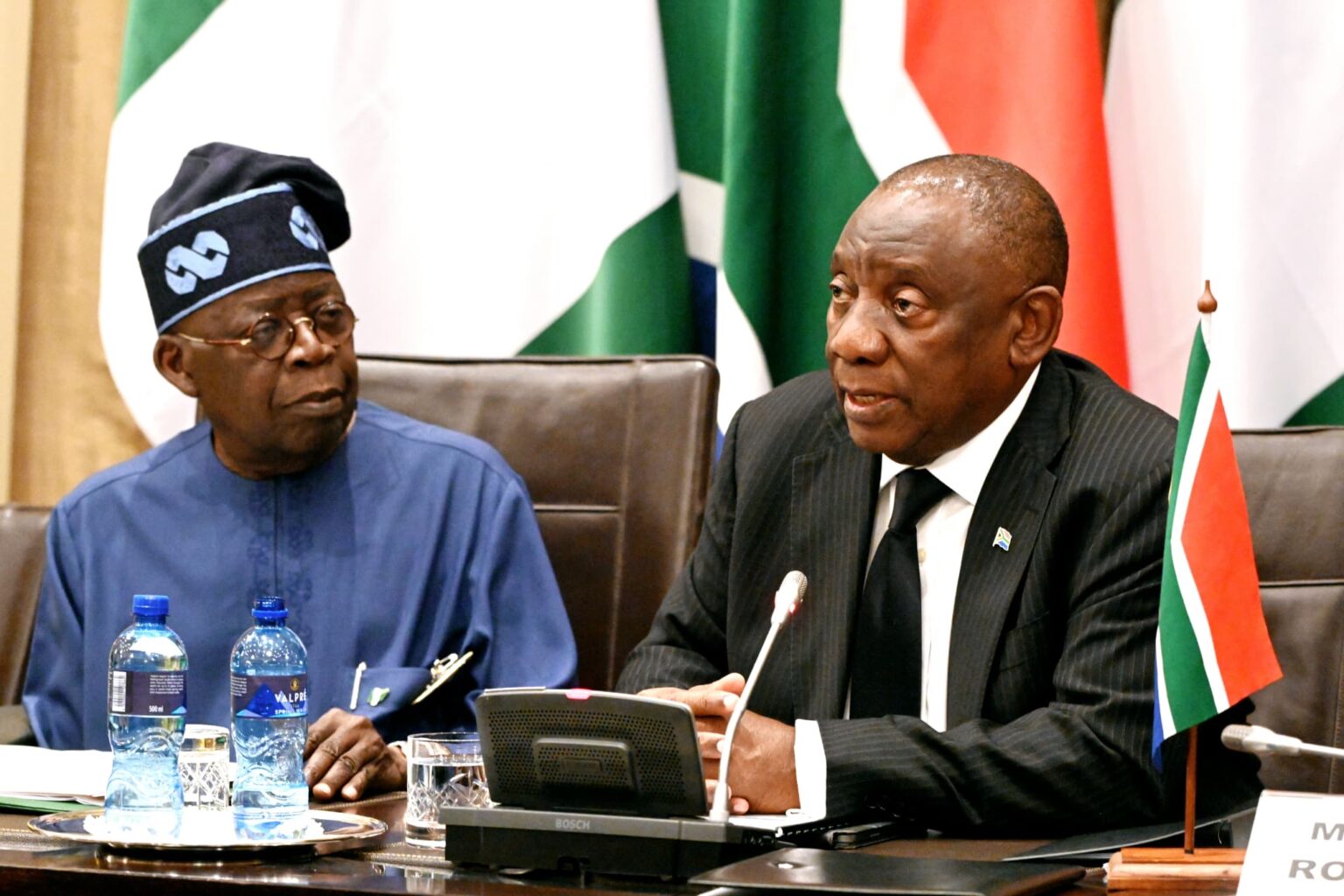
Beyond the Apartheid regime, Nigeria established a formal Diplomatic Relations with South Africa in 1994. From 1994 to date, several Bilateral engagements have been held between the two countries through the channel of Bi-National Commission (BNC) beginning from 1999.
Nigeria and South Africa regard each other as strategic partners in the spheres of economic, political and regional cooperation. They believe the cooperation of both countries will facilitate African economic integration and sustainable conflict resolution between both parties and the Continent at large.
The question then remains, how has the relations and engagements solved the problems, especially with the current Xenophobic/Afro phobia activities going on in South Africa?
Attacks on foreign nationals, not only Nigerians, is not new in South Africa. It has always been there, sometimes in less magnitude and impacts. The governments of both Countries know of the existence of this ugly development capable of threatening the relations between them and among other African Countries.
In the BNC of October 2019, the two Heads of State acknowledged the incident, and the President of South Africa, Cyril Ramaphosa expressed strong commitment to take all necessary measures to stop a recurrence of the attacks. He condemned in strong terms the violent incidents and the destruction of properties, and promised heightened law enforcement.
The then Nigeria President, Muhammadu Buhari and his counterpart committed to the establishment of a mechanism to forestall future occurrence, known as EARLY WARNING MECHANISM.
In the year 2020, both countries agreed to establish the Early Warning Mechanism approved by the Heads of State of the two countries. The objectives of the Early Warning Mechanism include to:
Serve as a coordinating entity and spring board to exchange information, monitor and intervene on developments relating to potential incidents of violence and transnational organised crimes affecting nationals of both countries; and
serve as a forum to encourage people to people activities and cooperation, etc.
The key takeaways are: to Monitor, inform and intervene.
The establishment of a Committee of both parties was consummated with exchanges of notes. Since 2019, through 2020 when the incident was identified and brought to a Diplomatic roundtable at the highest level of BNC, how well did both countries monitor, inform and intervene before the occurrence of the violent incidents presently being witnessed, and other incidents of Human trafficking and Drugs movements between the two countries? If they did, how and why did their efforts, if any, fail to prevent the new incidents?
It is our opinion that both countries did not do enough and should reexamine their relations and revisit the actualisation of the purpose and objectives of the Early Warning Mechanism because the end of the reoccurrence of the violent outbursts is not in sight. A clear pattern of enforcement should be established with stated sanctions against any country whose citizens perpetuate such acts contained in the agreement.
A defined compensation clause should be included to compel each country to compensate victims of violent attacks on the citizens of each other. The South African government has always argued that compensation of individuals’ businesses is not in their Constitution. They opine that individuals must insure their businesses with insurance companies to qualify for compensation from such companies not government.
One thing is obvious, that the drafters of the constitution did not envisage discrimination and xenophobia taking place in South Africa based on their background. However, now lives and properties, beyond businesses are involved. The questions are, should people also insure their lives in South Africa? and do all South Africans insure their properties such as houses? The government of South Africa must accept the reality and engage governments of other African countries on how to handle the situation and take responsibility for verified claims for compensation. And the affected countries should also do their due diligence to confirm claims by their citizens as all claims may not be genuine.
There should be established pattern and channel for educating citizens of both countries on the need for peaceful coexistence, and the consequences on individuals and nations of violation of the provisions of the agreement. Nigeria and South Africa agreed to promote and foster “people to people interactions and cooperation between their nationals, through cultural activities, arts, etc. There is no empirical evidence that both countries have followed this through beyond rhetoric. This gap and other boiled up anger among South Africans are at the root of recent deadly xenophobic attacks.
It is on this premise that we conclude that the Dudula, March and March, and other xenophobic activities are consequences of Hypocrisy of Diplomacy between Nigeria and South Africa.
◦Okafor, Ph.D, fsi, pcc+, a Retired Comptroller of Immigration Service (CIS), wrote in from Abuja, Nigeria.