
Aliko Dangote: Africa’s Industrialist-in-Chief By Wale Osofisan PhD

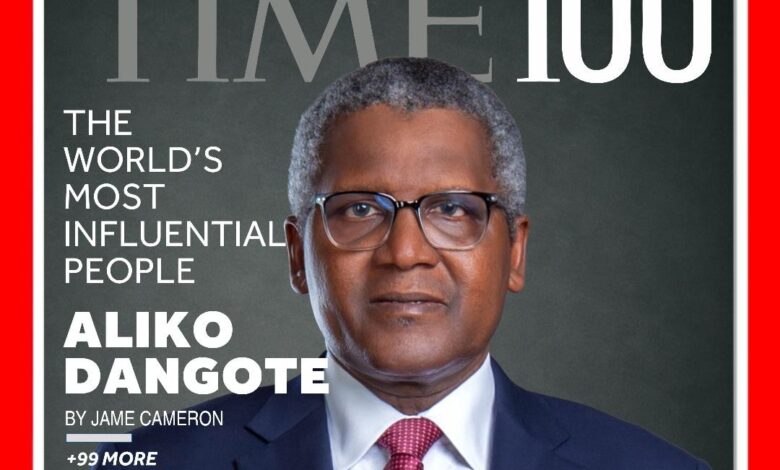

Aliko Dangote began as a trader in Kano. He could have remained one. Trading is lighter work. It is faster, safer and it does not ask you to stake a decade of your life and the better part of your fortune on a stretch of reclaimed swamp outside Lagos, with the world watching and half of it waiting for you to fail. Dangote chose to build instead.
Aliko Dangote’s rise from a trader from Kano to the builder of some of Africa’s most important industrial assets marks a defining moment in the continent’s economic journey. His refinery in Lekki, Lagos, and his plan to establish a similar facility in Kenya signal a broader shift in Africa’s development path, one shaped by productive capacity, long term investment, and the steady growth of human capital.
Dangote’s vision, and the scale at which he has pursued it, is changing how Africa engages with the global economy. It is also influencing how countries on the continent absorb external shocks, strengthen domestic stability, and position themselves within increasingly complex supply chains.
A Refinery That Repositioned Nigeria
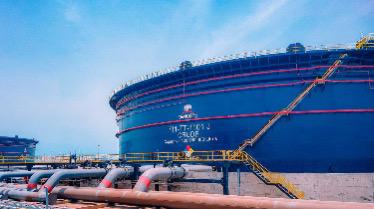
The Dangote Refinery in Lekki is the largest single train refinery in the world, yet its importance goes far beyond its size. It has become a strategic buffer at a time when global supply chains are under strain, especially with the crisis in the Strait of Hormuz disrupting energy flows. Nigeria, long vulnerable to swings in global markets, now has a domestic anchor that shields it from sudden disruptions. Its international reach is equally striking. Recent reports show that the refinery has overtaken the United States in supplying jet fuel to Europe. This development marks a shift in Africa’s place within global industrial flows. Instead of exporting crude and importing refined products, Nigeria is now supplying refined value to major markets. The implications for economic stability, trade, and national confidence are profound and long lasting.
Kenya and East Africa: The Next Industrial Frontier
Dangote’s intention to build a refinery in Kenya represents a significant continental milestone. A facility of that scale would serve the East African market and deepen regional integration. It would support aviation hubs in Nairobi, Kampala, Addis Ababa, Kigali, and Dar es Salaam, while providing a reliable supply of refined products for manufacturing, logistics, and agriculture.
Such an investment would strengthen the promise of the African Continental Free Trade Area by creating industrial corridors that link regions through production rather than consumption. It would also expand skilled employment and technical expertise across East Africa. This is the kind of long term capital that anchors economies and reduces exposure to global volatility.
A Political Economy Shift Taking Shape
Across Africa, there is a growing recognition that sustainable development depends on productive capacity. Industrialisation, investment, and human capital development are central to this emerging consensus. Dangote’s work shows how these elements can reinforce one another to strengthen national and regional economies.
His investments highlight three essential pillars:
1. Industrial capacity that turns raw materials into refined products at scale
2. Long term capital that builds assets supporting economic stability and regional trade
3. Human capital that trains engineers, technicians, and managers who drive industrial growth.
This approach reflects a wider argument that Africa’s future rests on building and producing, and on strengthening internal capability.
If Africa had 10 industrialists with Dangote’s vision and commitment, the continent’s economic landscape would be transformed. Multiple refineries would serve regional markets. Steel and cement plants would support construction and infrastructure. Fertiliser complexes would boost agriculture. Petrochemical hubs would support and supply global markets. Integrated logistics networks would lower the cost of intra Africa trade.The outcome would be millions of skilled jobs, stronger regional economies, and a more confident Africa able to shape its own development path. This is the scale of ambition that can shift the continent’s position in the global economy.
The Dangote Foundation: A Social Commitment
Alongside his industrial ventures, Dangote has built one of Africa’s most active philanthropic institutions. The Dangote Foundation supports nutrition programmes, health interventions, disaster relief, and education initiatives across the continent. This blend of industrial ambition and social commitment reflects a model of development that is both economically productive and socially grounded. It shows that industrial growth and humanitarian support can reinforce each other, strengthening communities while building national capacity.
Aliko Dangote’s refinery in Lagos, his planned refinery in Kenya, and his wider industrial footprint represent more than business success. They offer a new vision of what African development can look like when driven by productive capacity, long term investment, and human capital. His work demonstrates that Africa’s future will be shaped by those who build, those who invest, and those who develop the skills and institutions needed for sustained growth.
Dangote is not only constructing refineries. He is helping build a new African confidence, rooted in capability, ambition, and the steady rise of industrial power.
Africa does not need to wait for its moment. It can build it. Dangote’s story shows what becomes possible when ambition meets execution and when vision is backed by the courage to invest at scale. If one man can shift the industrial balance of an entire region, imagine what ten could do. Africa’s next chapter will be written by those who choose to build, and Dangote has shown the continent exactly where that path begins.