Argungu examines challenges, threats in Nigeria’s public procurement practices; Calls for increased penalties, transparency

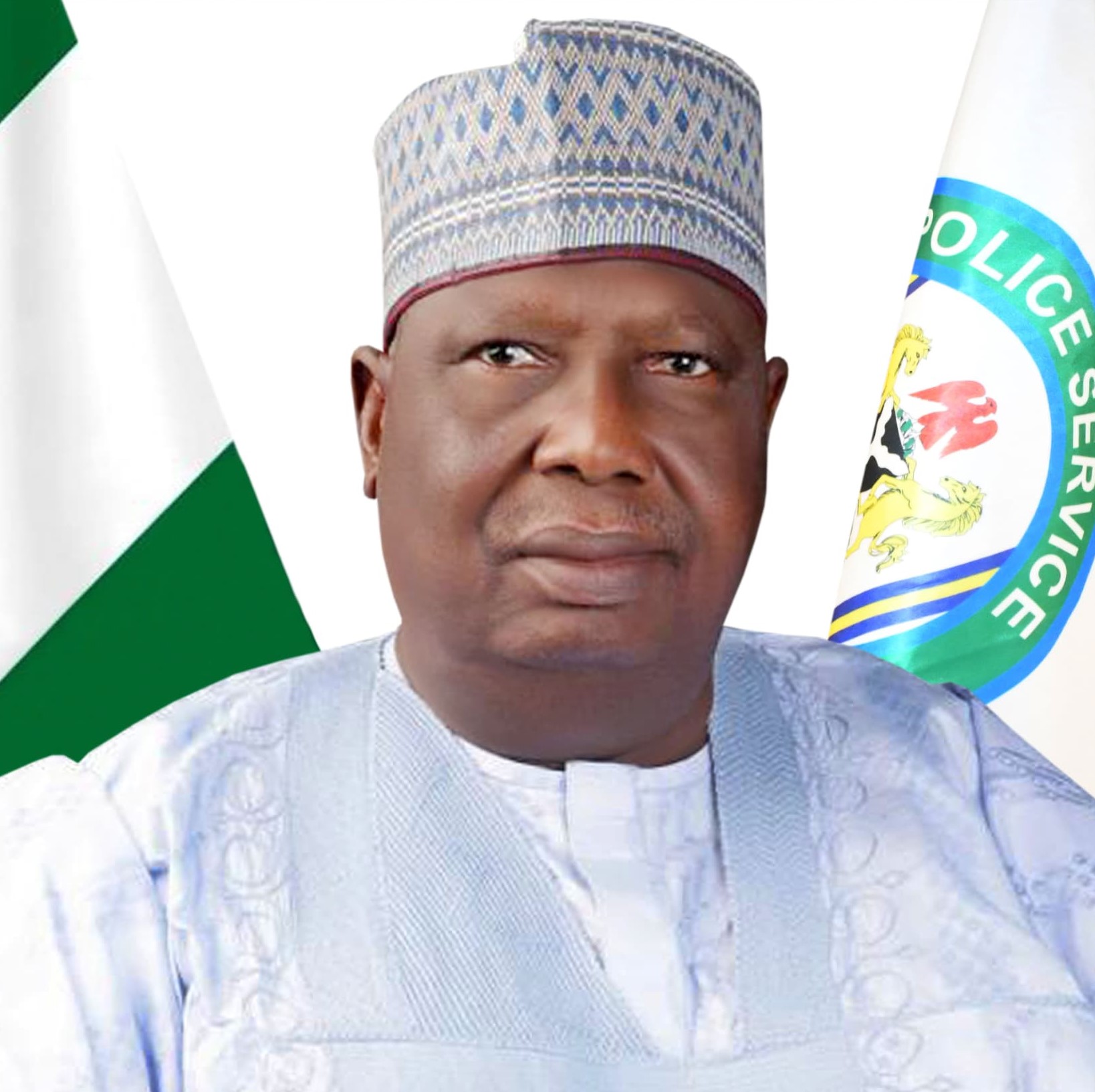
The Chairman of the Police Service Commission (PSC), DIG Hashimu Argungu rtd has called for increased penalties and transparency in Nigeria’s procurement activities and practices. He lamented the recurring issues of circumventing of some provisions of the Procurement Act such as contract splitting and variation.
The PSC Chairman, according to a statement by Ikechukwu Ani, Head Press and Public Relations of the Commission, spoke today, Wednesday, August 7, 2024, at the fifth edition of the Commission’s ‘Arena of Knowledge’ weekly lecture series held at the Commission’s Parry Osayande Auditorium in Jabi Abuja.
He presented a paper on “Public Procurement in Nigeria: Police Service Commission template, Process and Practices,” where he traced the Structure of a Procurement Planning Committee in Government Ministries and Parastatals; the basic three categories of contracts in the Public Procurement Act, 2007; and Rules of the Contracting Game which the procuring entity should comply with.
He also looked into the Legal Framework and Administrative Instruments in Public Procurement in Nigeria and the Liabilities and Consequences or the Implications for non-compliance.
Dr. Argungu frowned at the non-operationalization of the National Council on Public Procurement and lack of proper administrative control and Oversight function over Ministries, Departments and Agencies in contract award and execution by the Bureau of Public Procurement (BPP).
He also spoke on the challenges of delays in processing and approval of request of “NO Objection” by the Bureau and inadequate funding to sustain capacity building.
He also noted that mismatch between budgetary appropriations and the actual release of funds is a serious threat in Nigerian Public Procurement practices.
DIG Argungu mentioned delay in the investigation and prosecution of Offenders of the Provisions of the Procurement Act; delays in payment and sometimes non-payment of contractors for work done and weak enforcement as having given rise to the pervasive culture of non-compliance.
He called for the elevation of the Procurement authority to a high level, “presumably to a talented person of high integrity,” the strengthening of Anti-corruption measures, enhancing of the legal and regulatory framework and mitigating political influences.
Mr. Aliyu Ahmad, Head, Procurement Unit of the Commission, in his presentation on the same subject matter said that Public Procurement can stimulate economic activity, create jobs and support local businesses.
He added that it also promotes openness, fairness and accountability in government spending.
Mr. Ahmad said Public Procurement ensures government gets the best value for its money, reducing waste and inefficiency and also facilitates the development of critical infrastructure such as roads, bridges and public buildings.
According to him “good Procurement is impartial, consistent and therefore reliable. It offers all interested contractors, suppliers and consultants a level playing field on which to compete, and thereby, directly expands the purchaser’s options and opportunities,” adding that it establishes and maintains rules and procedures that are accessible and unambiguous.