
Dismantle all obstacles to full implementation of AfCFTA – Africa Economic Summit 2024

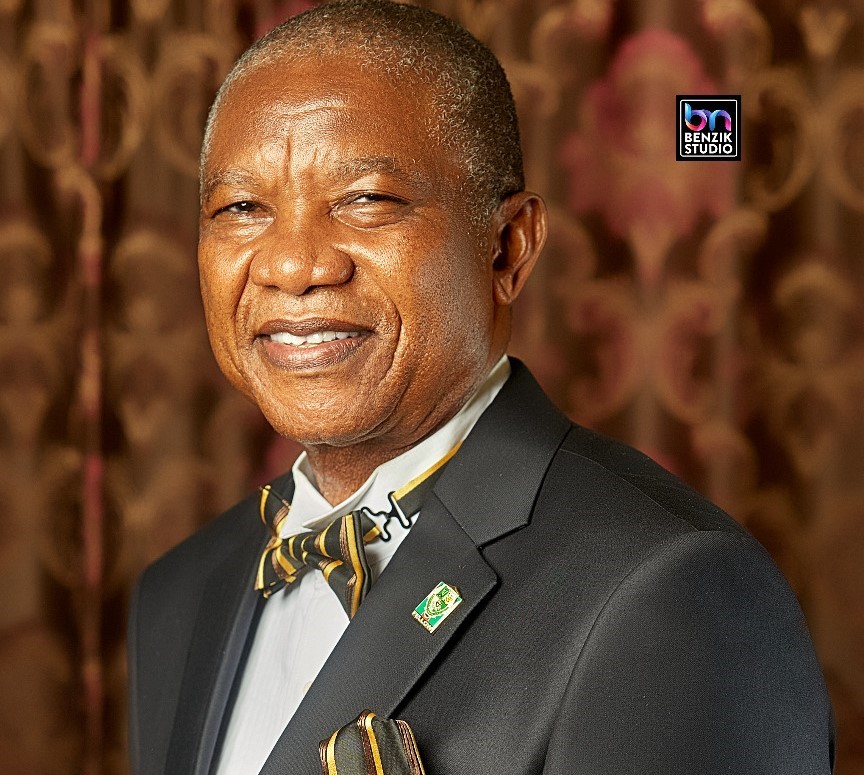
Dismantle all obstacles to full implementation of AfCFTA – Africa Economic Summit 2024
Participants at the 3rd Africa Economic Summit have called for the immediate dismantling of all obstacles to the full consummation of the African Continental Free Trade Agreement (AfCFTA) and the embracing of all the protocols of the agreement, while urging the African Union (AU) to set a target of at least 30% of Intra-African trade by 2030.
The high level Summit, which held in Abuja, the Nigerian federal capital, from June 3-4, 2024, was organized by the African Economic Summit Group (AESG) to deliberate on various issues confronting the countries of the continent, and had as its theme, “Africa: Riding the Crest of Global Economic and Political Volatility.”
In a communique issued at the end of the well attended program, the participants insisted that it is only through aggressive pursuit of the goals of AfCFTA and the aggregation of sufficient resources and energy that Africa can compete with the other continents that are made up very large countries like the USA, China and India, stressing that “the small and brittle countries of Africa can never be competitive on their own.”
The Summit, in the communique, endorsed by Mazi Dr. Sam I. Ohuabunwa, President, Africa Economic Summit 2024 and Dr. Brian Reuben, CEO, Africa Economic Summit Group, urged the African Union (AU) “and particularly the AfCFTA to adopt the Slogan: ONE AFRICA! ONE FAMILY!! ONE ECONOMY!!!” noting that “this slogan should serve as a tonic and a clarion call for ALL Africans to think globally African.”
Attended by top government functionaries, captains of industry and other major stakeholders from different countries in the continent, the Summit also identified “aggressive investment in Digital Transformation to drive Economic, political and social development” as a critical factor that can help the continent to leapfrog and achieve SDG goals.
It noted that “Internet Penetration and application is Africa’s best opportunity to mobilize the energies of our active youth population and drive employment and creativity,” pointing out that with a fraction of the money African governments are spending on international travels and perquisites of office of the political class, this digital revolution that has already been ignited, mostly by private sector initiatives, can become widespread and positively impact, among others, the education, healthcare, security, the financial sectors.
The very detailed communique also “decried the embarrassing situation of Food scarcity and unbridled food inflation in Africa” and insisted that the continent must set a date to “STOP” importation of “all manner of food.” It equally urged the mobilization of domestic and foreign investments for critical projects, with incentives provided for diaspora bonds and investments.
Importantly also, it pointed out the need to strengthen governance across the continent, with the building of strong leadership systems that would raise Africa’s leadership stock, while insisting on citizen activism, the use of technology and an open government system through which governments in the continent can be made more accountable to the people, and transparency can be promoted while corruption can be combatted.
Full text of the Communique is reproduced here:
COMMUNIQUE ISSUED AT THE END OF THE AFRICA ECONOMIC SUMMIT 2024 HELD AT THE ABUJA CONTINENTAL HOTEL, ABUJA- NIGERIA, JUNE 3-4, 2024
INTRODUCTION
Delegates from several African Nations gathered in Abuja for the 3rd Africa Economic Summit June 3-4 2024 organized by the Africa Economic Summit Group ( AESG) to deliberate on several issues confronting African Nations. The theme of the summit was: AFRICA: RIDING THE CREST OF GLOBAL ECONOMIC AND POLITICAL VOLATILITY.
During the two days of brainstorming and very robust discussions and engagements, the summit got on to a good start after the Address of the Vice President of the Federal Republic of Nigeria and other key addresses from the Deputy Speaker of the Nigerian House of Representatives, the Hon Minister of Nigeria’s Federal Capital Territory and the Hon Minister of Industry, Trade and Investment of Nigeria. Other distinguished Speakers at the Summit included Mr Boss Mustapha, former Secretary to the Government of the Federation of Nigeria, Dr David Molapo former Chairman of South Africa Airlines and President ICAN 4ir, South Africa; R Yoofi Grant, CEO, Ghana Investment Promotion Centre; Dr Sam Amadi, former Chairman, Nigeria Electricity Regulatory Commission and Director Abuja School of Social and Political Thought; Hon Josiah Muriithi Thiriku, Chairman Conference of Speakers Kenya; Wole Abu, CEO Liquid Intelligent Technologies; Wabo Majavu, Executive , Strategy and operations, Africa Data Centers, South Africa; Sibusiso Kunene, Founder and CEO, Ulwembu Business Services, South Africa; Prof John Osonwa, CEO, Net Zero Climate Solutions ltd, Amb Lady Josephine Nwaeze, CEO NEWS Engineering; Esther Chioma Amah, lead consultant, Carbon Credit; Air Vice Marshall, Monday Riku Morgan, former Chief of Defence Intelligence Nigeria; Barr Chijioke Orji, MD/ CEO Adasanmi Agriculture Development Company and Arch Uche Kalu, MD, Capital City Development ltd among others.
The Summit focused on the following thematic areas:
• Building Business Confidence in Africa
• Exploring AfCFTA: Unveiling Opportunities and Challenges
• Navigating Governance Challenges in an Era of Global Uncertainty
• Evaluating African Pandemic Preparedness
• Navigating Economic Volatility, inclusive Capital Access
• Bridging Connectivity, Sustainable Infrastructure and Digital Transformation for Economic Growth
• Harmonizing Climate Action and Economic Transformation
• Fortifying Food Security: Tackling Famine through Agricultural Transformation
• Bridging Security and Regional Integration
• Addressing Africa’s Housing Crisis: Innovative Solutions for Affordable and Sustainable Homes
RESOLUTIONS
The following represent the key resolutions of the Summit:
1. Africa currently has the lowest inter regional trade in the world which represents only about 13% of Africa’s Global Trade (compared to ASIA’s 60% for example). The Summit resolved that African Nations must quickly embrace the AFRICAN CONTINENTAL FREE TRADE AGREEMENT (AfCFTA) protocols and quickly dismantle all obstacles to the full consummation of the agreement. The Summit therefore called on the African Union (AU) to set a target of at least 30% of Intra-African trade by 2030
2. To aggressively pursue this goal which will bring tremendous salutary effect to the African Economy, the Summit urged the AU and particularly the AfCFTA to adopt the Slogan: ONE AFRICA! ONE FAMILY!! ONE ECONOMY!!! This slogan should serve as a tonic and a clarion call for ALL Africans to think globally African. It is our best chance of aggregating sufficient resources and energy to compete with the other Continents made up of very large Countries like the USA, China and India. The small and brittle countries of Africa can never be competitive on their own.
3. In addition to pulling together resources (human and material) the next critical factor that can help Africa leapfrog and achieve SDG goals is an aggressive investment in Digital Transformation to drive Economic, political and social development. Internet Penetration and application is Africa’s best opportunity to mobilize the energies of our active youth population and drive employment and creativity. Investing in Digital Technology infrastructure has a multifactorial impact on Education, Healthcare, Agriculture, financial inclusion and Security in Africa. African Governments, with a fraction of the money spent on international travels and perquisites of office of the political class can further fan the embers of this digital revolution which is already ignited taking root in some African Nations mostly by private sector initiatives.
4 The summit decried the embarrassing situation of Food scarcity and unbridled food inflation in Africa and determined that Africa must set a date to STOP importing all manner of food. Beyond dealing with Enhanced Food Security, African Nations need to adopt new schemes that resolve the trinity of challenge that currently beset Agriculture: Land acquisition, Access to Capital and inputs and market access. Novel systems that de-risk agriculture and make it very attractive for our young people and other business minded people to participate in the Agricultural/ food processing / food export chain were recommended.
5. Explore Innovative Funding: Mobilize domestic and foreign investments for critical projects. Minimize borrowing, prioritize projects and use internally generated resources. Start winding down from aids and replace with trade. Provide incentives for diaspora bonds and investments.
6. Massive Investment in Human Capital Development. Prioritize education and healthcare for a skilled workforce and produce fit-for-purpose manpower to serve Africa and provide external services. Adopt entrepreneurial education models to expand opportunities for wealth creation and reduction of unemployment. Focus on inclusive growth health care plans that share responsibility between all strata of Government and the Private sector. The successful unique collaboration that helped African Nations contain COVID-19 Pandemic should serve as a model going forward
7. Strengthen Governance: Build strong leadership systems to raise Africa’s leadership stock. Hold African Governments more accountable through citizen activism. Use Technology and open government system to promote transparency and combat corruption.
Deliberately promote gender equity and inclusiveness in African Political leadership with focus on the younger generation and an ethically engineered Leadership development.
8. Create a Conducive Business Environment: Simplify regulations, minimize Bureaucracy, and promote entrepreneurship. Executive, legislative and judiciary arms of governments must have common vision in achieving good governance. Investment attraction should be the focus of African economic policies- both local and foreign investors noting that investments create businesses, programs and projects; programs projects and businesses create jobs. Jobs create Wealth and Wealth drives away poverty. Poverty reduction must be a major KPI for our National political leaders.
9. Housing and Land Rights Reform: Secure land tenure and invest in affordable housing. Introduce new schemes and culturally acceptable housing. Mass housing projects with a good mortgage system will help reduce the housing crisis. Innovative pooling of resources in communities can ease housing shortages
10. Promote Regional Collaboration: Foster partnerships to tackle shared challenges effectively. Must quickly bring to reality the objectives of the regional economic integration promoted by the Regional blocks and the AU. Security in Africa must be handled on Regional basis to achieve desired results. Collaboration and integration is the way to go. Africa must devise ways to enforce and monitor implementation of agreements across the continent. Allowing Nations to proceed at their individual speed is a big drag on Regional Integration.
11. Climate change is a critical issue in Africa, and it is important to consider the impact on vulnerable workers and communities. Africa needs to prioritize the funding and implementation of sustainable climate projects that address the unique challenges faced by the continent. Use of sustainable energy abundant in Africa – Solar and hydro energy should be our focus. The transition plans of using Gas – CNG vehicles and electric vehicles must be given added focus. Impact of Climate change on Security especially in the Sahel Region must be a central focus in the Region and a deliberate information diffusion and citizen enlightenment must be pursued.
12. Finally African governments must commit to enhancing rule of law and show example by being law abiding themselves, pursue increased infrastructural development, provide attractive and globally competitive investment climate, promote private public sector collaboration to facilitate productivity, wealth creation and poverty minimization.
APPRECIATION
The summit expressed gratitude to all of our Speakers, Panelists, Partners, Sponsors and Delegates from several countries, many of whom defied the odds in the economy and environment (including the Labour strike in Nigeria) to support and be part of this 3rd Africa Economic Summit. To God be all the glory.
Mazi Dr. Sam I. Ohuabunwa OFR, MON, NPOM. President, Africa Economic Summit 2024
Dr. Brian Reuben CEO, Africa Economic Summit Group
AFRICA ECONOMIC SUMMIT GROUP Office 1633, 182-184 High Street North, East Ham London, E6 2JA. United Kingdom. www.africaesgroup.com | admin@africaesgroup.com | Company Number 13953912