Cameroon-born ace broadcaster, Amy Banda, hosts programme celebrating African Women

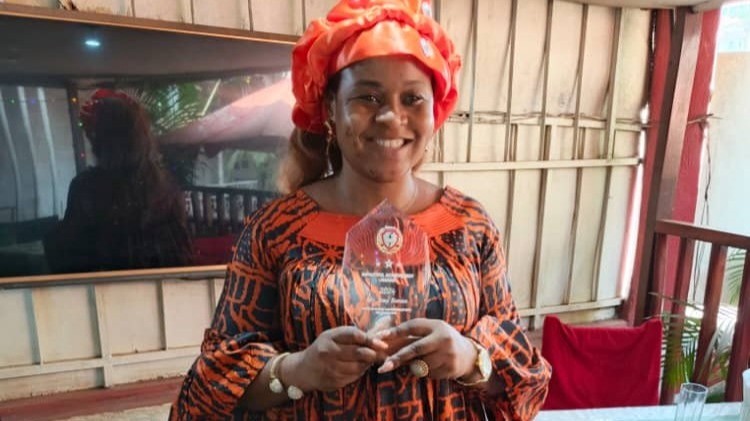
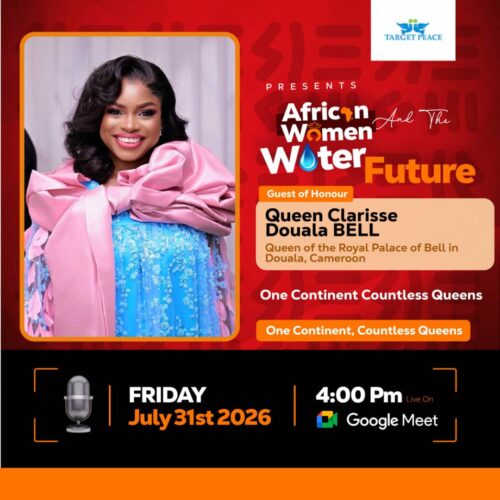
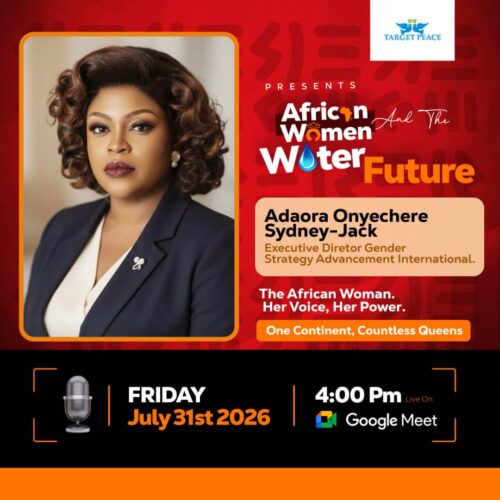
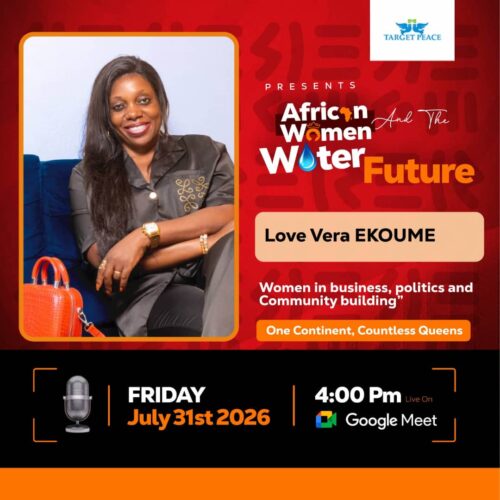
A major programme featuring key continental and global women’s empowerment advocates will hold tomorrow, Friday, July 31, 2026, from 4:00PM West African Time (WAT).
The event, which is being organised by Cameroon-born ace broadcaster, Amy Banda, in partnership with She Thrives Global by Ambassador Edith ABUMBI will also be in celebration of the Day of the African Woman.
The programme will equally be honoring women across sectors who are championing change in their communities and countries, and people, from wherever they are, can nominate the Action Woman of their choice by sending an email to actionwomantv@gmail.com while you can follow @actionwoman videos on YouTube for stories
https://youtu.be/Knw_nXoBiNk?si=oMSUZGtKosTC6ym9
Tomorrow’s event will be live on Google Meet
joining info
Video call link:
https://meet.google.com/php-bbtu-dij
The key speakers at this historic programme will also assess the journey of the African woman in the past 64 years, with renewed emphasis on peace and security, economic transformation, institutional accountability, infrastructure development, public health and social inclusion across the African continent.
For about three hours, the speakers will evaluate the journey, the struggles and the successes of the African Woman, and encourage collective action that will uplift, empower, and strengthen African women to continue to drive change in their communities and make positive impact.
The key speakers lined up for the virtual event include the Guest of Honour, Queen Clarisse Douala Bell, Queen of the Royal Palace of Bell in Douala, Cameroon (One Continent Countless Queens), Yaah Gladys Shang Viban (She Leads Africa: Vision, Voice, Value) and Adaora Onyechere Sydney-Jack, Executive Director, Gender Strategy Advancement International and Founder, Wewe Network Afrique – Nigeria.
Some other speakers are Lumbie Mlambo, Founder and CEO, JB Dondolo – Zimbabwe, Dr. Karen Bruges (Global Chair, Zero Hunger Mission, Roshani Shenazz – Global Spiritual Medium & Thought Leader, Intl. Wellbeing Happiness/Conscious Leadership Coach, Author & Speaker, Madeleine Julie Mballa (Women’s representation in politics and public spheres), Love Vera Ekoume, Rev. Ann Ngwa (Rooted in Greatness) and Che Electa Lumnwi (We don’t wait for a seat, We build the Table).
Also listed to speak are Leslie Koko (CEO, LK Funeral Planner), Nokam Madeleine (Nurse, Buea Regional Hospital & Branch Director of Optimum Health Global, Buea), Valentine Dagba (CAR), Barrister Beatrice Ejiofor (Programme Director – Etie Divine Foundation, Nigeria), Rev. Mrs. Fontinglet Henrietta Ngwe (Living Word Prophecy Church), Shiri Achu and Juhana Don a Mbassa (Biotechnologist, Entrepreneur, and Politician in MP3 Party).
The loaded programme will equally feature Fomum Victorine (She swims against the Current), Nguty Stella Etoh-Nombo (Executive Director – DIBA Holistic Wellness Care, and Mental Health Therapist), Marie Prosperity (Prosperity Wellness Institute, Germany), Rahel Ule Abia (Journalist & Teacher), Bibiana Shinita (Journalist and News Anchor – Premier of ‘Moi Femme’ on DASH Media), Fame Bunyui Ayiseh (Journalist CRTV South West and Publisher of Tech Fusion) and Ayotunde Lasisi (Co-founder of Ulevus).
Also speaking will be Trish Waboraro (Author of Healing Wounds and other books and Director of Sound of Worship), Pr Wogaing Jeannette (Anthropologist), Pastor Anasthasia Monjowa Ngoni (Pastor, Jurist, and Potter), Grace Ngwafor (Journalist, Abakwa FM), Cécile Thiakane – Senegal, Bongiwe Dlamini (CEO, Blossom Bloom) and Victoria Loe (Crowned in Culture: Self Love, Strength and Softness).
All are invited to participate in this unique conversation that promises to bring out the best of the African woman.


