Dennis Udoma
Akwa Ibom State Ministry of Health has said, 11 council areas of the state are endemic to what it called “tropical diseases”.
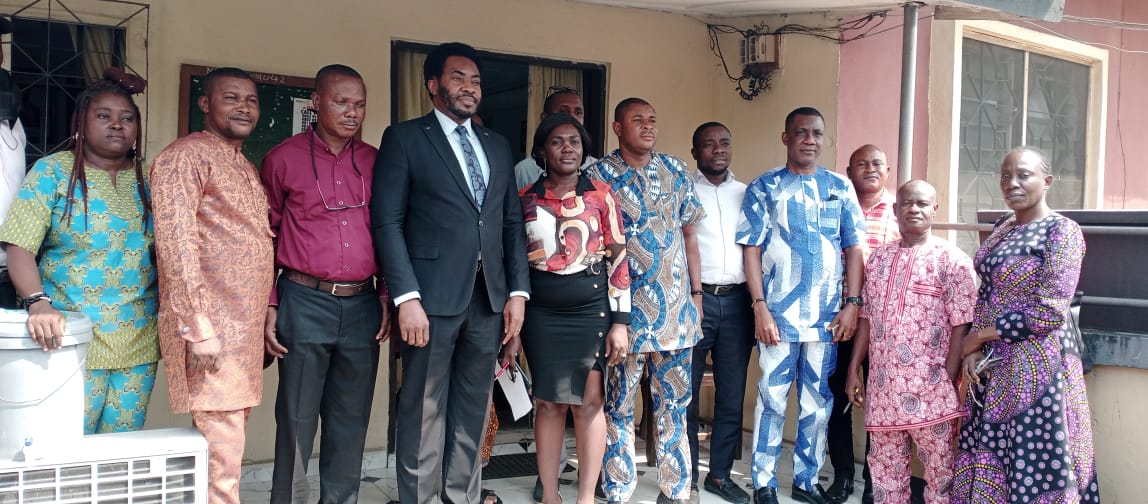
The State Coordinator of Neglected Tropical Diseases (NTDs) in the State Ministry of Health and Public Relations Officer of Nigeria Medical Association (NMA), Dr Aniekeme Uwa said during a media briefing on World NDT Day in Uyo that, many people have been infected by the Neglected Tropical Diseases in the state.
He said the Neglected Tropical Diseases were 20 prevalent ailments associated with poverty in many communities in the tropical regions.
According to him, “these are diseases that are commonly found in tropical and sub tropical parts of the world and they are closely associated with poverty, poor housing, poor access to portable water supply, poor access to healthcare delivery and they are not really reported probably because they don’t kill as fast as other diseases like HIV, COVID-19 and the rest. And apart from that, probably because they affect the world’s poorest, they don’t get the kind of attention they should get. But unfortunately these disease conditions are affecting our people. We have the high morbidity even though the mortality is relatively low but they make our people not to live optimally and fulfill their destinies. And very importantly is the fact that this set of diseases are endemic in Akwa Ibom.
” There are different types. Some are endemic in all Local government areas, some are endemic in about eleven while some are endemic in about four Local government areas, ” he said.
“Most times we drive on the streets and see people with swollen legs or you go to the communities and see people with their swollen scrotum.
“We also have some which leads to people having rashes on their skin. And these are rashes that you treat and treat and they just don’t heal and it also leads to blindness. Most of us have heard of river blindness, that is spread by blackfly. So these disease conditions are there in our state in about four Local government areas.
The round worms, they make the children not to grow optimally and we all know that the brain of the child grows optimally within the first five years of the child’s life. So if there is a condition that affects the child’s nutrition because these worms stay in the stomach of the child, they suck the nutrients the child should get. So as the child is growing up, the child is not getting enough nourishment.
Uwa said four council areas in the state are prone to Onchocerciasis (River Blindness) with Blackfly as the vector, Soil Transmitted Helminthiasis (Intestinal worms) in 31 council areas of the state, Schistosomiasis or snail fever with water snail as vector and lymphatic filariasis or Elephantiasis which had mosquitoes as the vector.
“We also have some which leads to people having rashes on their skin. And these are rashes that you treat and treat and they just don’t heal and it also leads to blindness. Most of us have heard of river blindness, that is spread by blackfly. So these disease conditions are there in our state in about four Local government areas.”
He listed the most affected council areas in the state to include: Ibeno, Ibiono Ibom , Ika and local government areas.
He regretted that patients of these sicknesses could not receive necessary attention because of their conditions hence the need for the intervention of the World Agency to ameliorate their health challenges.
He solicited partnership with the media, private sector and entrepreneurs to bail out the vulnerable from their conditions.
So that is why 30th of January is set aside as world’s NTDs day to create awareness on the Neglected Tropical Diseases. To let people know and appreciate that these conditions still exist. There are also these ones that cause blindness in the northern part of the country, Tacoma, which is transmitted by the housefly.