By Isiah Christie
New York City’s mayoral race has been of significant interest around the world due to its unforeseen circumstances and current state. Initial expectations were for former Governor Andrew Cuomo to achieve victory in the Democratic primary race, but he experienced a decisive defeat by uprising political figure, Zohran Mamdani. Cuomo has since conceded defeat.
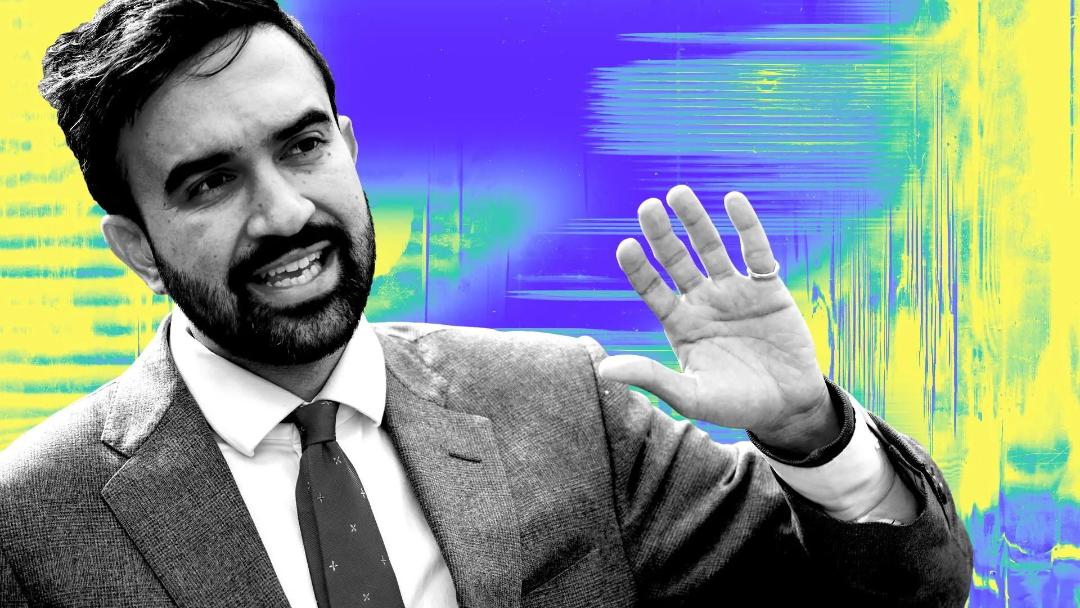
Mamdani, who is still building a name for himself among the political class in United States’ metropolitical center, is a 33-year-old democratic socialist that has been based in Queens, New York City, since 2021. His campaign has appealed to a cross section of voters, particularly younger voters, due to his optimistic and bright energy and his transformative policy goals.
Considering the generally depressed state of New York City at the moment – especially the ongoing affordability issues, transportation controversy and other crises – Mamdani’s appearance as a new face of change propelled his eligibility and resulted in one of the greatest political upsets of recent years.
Mamdani won a strong 43.5% of the Democratic vote to Cuomo’s 36.4%, which is not enough for an uncontested victory but still a significant victory for his party. Major talking points of his platform included improvements to housing, including a rent freeze and the construction of affordable housing; the prioritization of community safety and investment in crisis responses and mental health programs; fare-free buses; city-owned grocery stores to improve affordability; improvement of public school resources; free childcare for youth between six months and five years old to help working families; an increase in renewable energy infrastructure in schools; protections for the LGBTQIA+ community; raising the minimum wage to $30 by 2030; protection from what he describes as the chaos of Donald Trump’s second term, and more.
Such positions have resonated heavily with a segment of New York’s population that is currently living in fear and uncertainty, faced with the choice of leaving the city or otherwise cowering in silence amidst a turbulent sociopolitical climate.
The radicalism of Mamdani’s campaign also generated significant interest across the city’s political landscape, resulting in a ballot casting total that was over double the amount of ballots cast during the 2021 primary. Many are closely following Mamdani’s journey as he dives head-first into a uniquely competitive November general election, where he will be facing the likes of Republican nominee Curtis Sliwa, current Mayor Eric Adams, and more.
Pundits are divided on the potential of Mamdani’s takeover, despite New York historically favoring Democratic nominees – there are controversies regarding his far-left ideologies and firm support of Palestine amidst the Palestine-Israel conflict, which may serve as advantageous ledges for his opponents.
It is undeniable that Mamdani’s current promises for the growth of New York City seem properly invested in its vast improvement, however, and locals will value that over his divisive takes. Regardless of future outcomes, Mamdani’s dominance is proof of radicalism’s ever-growing presence in politics, representing a peak that has never been seen in America in a long time.