
By Cecilia Ologunagba
New York, Nov. 24, 2026
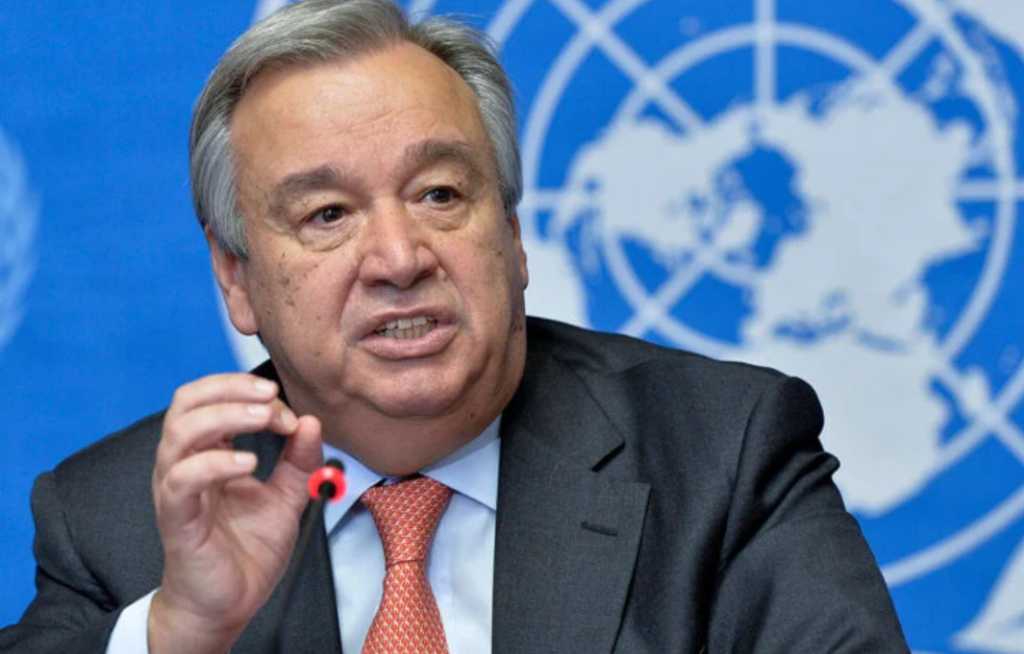
UN Secretary-General Antonio Guterres has expressed disappointment that the COP31 climate talks in Antalya, in Türkiye ended without consensus on an overarching outcome.
Spokesman for Secretary-General Stephene Dujarric said this on Monday while briefing journalists at the UN headquarters in New York on the stand of Guterres on the outcome COP 31.
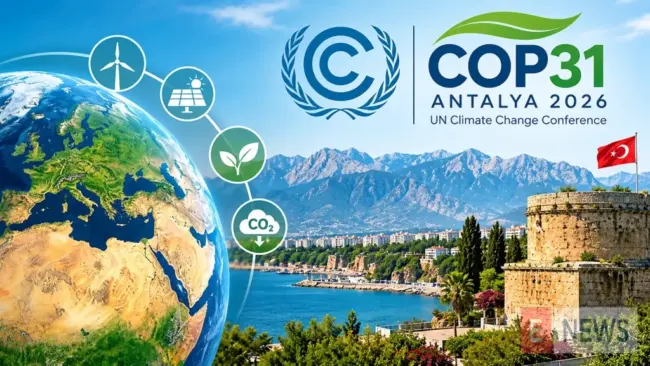
The 2026 United Nations Climate Change Conference or Conference (UNFCCC) of the Parties to the UNFCCC, more commonly known as COP31 held from Nov. 9 to 20.
Guterres said that the setback does not change the facts, and that while there was no consensus in the negotiating room, there is no ambiguity in science.
“The world is now poised to exceed the globally-agreed limit of 1.5 degree temperature rise.”
The Secretary-General added that the message from COP31 is clear: the world must do much more to confront the climate crisis – and it must do it now.
The lesson, he said, is that those who profit from the destruction of our planet must never dictate the terms of how we are to save it.
“The continued addiction to coal, to oil and gas is fueling climate chaos, exposing economies to price shocks, and undermining energy security.
“We can’t put out the fire while pouring fuel on it,’’ the UN chief said.
He said that we must build on the roadmaps advanced by the COP30 Brazilian Presidency on transitioning away from fossil fuels and reversing deforestation and forest degradation.
And he said to all those working to fight global warming to keep spreading the facts, and to keep demanding action and to keep turning the heat up.
COP31 President Murat Kurum, Türkiye’s environment minister, acknowledged the impasse, saying: “I understand that there is no agreement on this text. For that reason, these decisions have not been adopted.”
The inconclusive talks followed days of deadlock over fossil fuels, with negotiators unable to bridge differences between a coalition of climate-vulnerable nations and countries pushing for a stronger commitment to move away from coal, oil and gas, and those seeking to protect economies heavily dependent on fossil fuel exports.
Multiple compromise drafts circulated by COP31 co-presidents Australia and Türkiye sought to win consensus, including by acknowledging that global warming is now on course to exceed the 1.5°C threshold while calling for expanded carbon-removal technologies.
But the effort ultimately failed, with critics arguing the text weakened previous commitments and fell far short of the action required to address the climate crisis.
Focus now shifts to COP32 in Addis Ababa, Ethiopia, where governments will face many of the questions left unanswered in Antalya, from the transition away from fossil fuels to mobilising climate finance for developing countries.
While reaffirming their commitment to multilateral climate action, delegations warned against “mistaking the drama of negotiations for impact”, describing the final draft pact as “the lowest common denominator” and saying it failed to meet the moment.
Meanwhile, speaking on behalf of the African Group, Ghana acknowledged shortcomings in areas including climate finance, loss and damage and the just transition, which it said received “a single generic sentence”.
Nevertheless, it said the group would not stand in the way of consensus, arguing that the text still reflected the views of a wide range of parties.
Representing the League of Arab States, Saudi Arabi defended references in the text to carbon capture and storage (CCS), rejecting suggestions that the technology constituted greenwashing.
The delegation argued that scientific assessments have identified a role for CCS in limiting warming and said all viable climate solutions should remain on the table. Despite reservations over other aspects of the negotiations, it pledged to remain constructively engaged.
The European Union formally objected to the cover decision, saying it failed to “meet the moment” and warning that it risked widening the gap between climate commitments and real-world action.
The bloc said it could not accept a text that omitted any reference to fossil fuels or a transition away from them, describing such an omission as “unconscionable.”
Panama also rejected the outcome, arguing that governments have a responsibility “not to negotiate the minimum threshold, but to act.” The delegation said the pact weakened previously agreed decisions and failed to reflect the urgency of keeping the 1.5°C goal within reach.
Recalling a letter sent to the COP presidency outlining several non-negotiable priorities, Panama said its position remained unchanged and that it could not support the agreement as drafted.
Pakistan urged delegates to continue working toward consensus, warning that climate action requires “bridges, not barriers.”
The delegation said that while parts of the text remained problematic for some countries, the broader package should not be sacrificed and insisted that a way forward remained within reach.


