
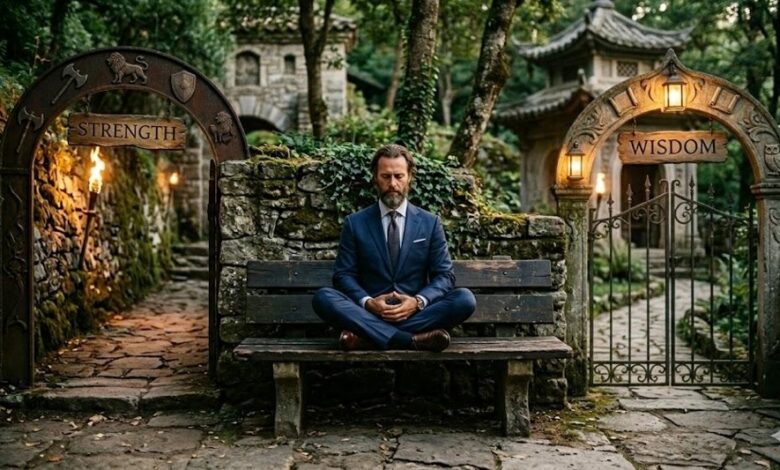

There was a time when, if people were asked to choose between strength and wisdom, many would have paused to reflect before choosing. Today, however, a surprising number of people would instinctively choose strength, no doubt. This choice would be revealing because while it does speak about personal preference, it speaks more about the changing values of our contemporary world. It suggests a growing belief that survival now depends more on strength than on discernment, more on force than understanding, and more on self-protection than Godly guidance.
At first glance, this preference for strength appears understandable. We live in an era that is hugely marked by uncertainty. We have economic volatility, social unrest, political polarization, rising crime, broken relationships, and widespread distrust that have created a climate in which many people feel very vulnerable. In such an environment, strength seems to be attractive because it promises personal security. People want to be strong enough to defend themselves, resist exploitation, overcome detractors, and avoid becoming victims. Yet beneath this desire lies a deeper reality that interprets personal insecurity. It means that the craving for personal strength often grows from fear of the unknown to fear of the known. People fear being deceived, abandoned, ridiculed or manipulated. They fear to be left behind. They fear losing opportunities, status, wealth, and influence. Consequently, they seek every form of strength available, from financial strength, political strength, physical strength to social strength, intellectual strength, and even emotional strength.
The modern world celebrates those who appear to be strong and self-sufficient. And so, strength is marketed as the ultimate solution to life’s challenges. But wisdom operates differently. Wisdom does not simply give a person the ability to fight, it instructs someone to assess deeply, whether a fight is necessary at all. Strength can win a battle, but wisdom will prevent a battle happening. Strength can help someone endure hardship, wisdom will help the one avoid needless hardship in the first place. Wisdom teaches when to speak and when to remain silent, when to advance and when to retreat, when to hold on and when to let go. It is the compass that directs safe human conduct.
Ironically, the preference of strength to wisdom is evident in many aspects of modern life. In relationships, many people seek the strength to dominate rather than the wisdom to understand. They enter friendships and marriages determined never to appear weak. Instead of cultivating patience, empathy and communication, they build emotional walls. They become suspicious and defensive, convinced that vulnerability is dangerous. While such attitudes can offer temporary protection, they often destroy the very relationships they are meant to preserve. In the workplace, countless individuals pursue strength and influence without seeking the wisdom to use them responsibly. They strive to outshine colleagues, secure promotions, and establish dominance. Yet many discover that strength without wisdom only ends up creating conflict, resentment, and instability. Wisdom teaches collaboration, humility, and ethical leadership, qualities that sustain success far longer than sheer strength.
Even in matters of health and lifestyle, wisdom is sometimes neglected. People desire the strength to enjoy every pleasure without consequence, rather than the wisdom to exercise restraint. They seek the ability to consume whatever they wish, whenever they wish, trusting modern medicine to solve any resulting problems. Wisdom, by contrast, teaches moderation. It helps individuals understand what to eat and what to avoid, when to rest and when to work, when to celebrate and when to exercise discipline. The same pattern appears in the recreation and entertainment industry. Modern society encourages constant stimulation. Many pursue excitement without considering its long-term effects on their character, relationships, and spiritual lives. Wisdom teaches balance. It nudges one when to play and when to focus, when leisure becomes beneficial and when it becomes destructive. Strength can enable a person to withstand pressure, but wisdom will teach the person how unnecessary pressures can be avoided altogether.
Again, it is common knowledge that one of the greatest dangers in contemporary society is the growing presence of toxic influences and the antics of manipulators. Social media, politics, business, and even personal relationships have become increasingly filled with individuals who are highly skilled in deception and exploitation. In response, many seek greater strength to resist such people. But wisdom remains the superior defense. Wisdom recognizes manipulation before it takes root. It discerns motives, identifies warning signs, and guides a person away from harmful associations. The wise individual understands that not every battle should be fought and not every relationship should be maintained. This truth is especially important for the Christian community. Many believers have unconsciously adopted the world’s definition of strength. They trust in their personal abilities, their financial resources, professional networks, and social influence. While these things have their place in the lives of many people, they remain unreliable foundations upon which to build a life. Scripture repeatedly reminds believers that human strength is limited and temporary. The strongest individuals can eventually encounter circumstances beyond their control. Wealth can disappear. Influence can fade. Physical vigour can decline. Human strength, however impressive, is ultimately fragile.
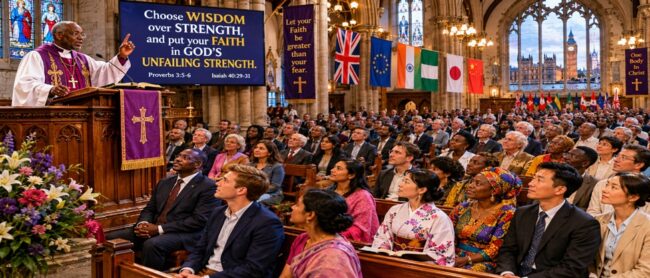
But the Bible presents a different perspective. It teaches that true strength comes from God. The psalmist declared: “The Lord is my strength and my shield.” Prophet Isaiah proclaimed that those who wait upon the Lord shall renew their strength. They shall fly like eagles and never be weary. Throughout Scripture, God’s people were repeatedly reminded that victory does not come through human power alone but through divine guidance and intervention. That is what happens when a Christian is told: “The Lord is your strength”.
In many respects, modern culture has continued to encourage self-reliance at the expense of God-reliance. Society applauds independence and often views dependence on God as weakness. Yet the Christian faith teaches the opposite. Dependence on God is not weakness but wisdom. It is the recognition that finite human beings need infinite guidance. This is why wisdom should remain the greater pursuit. Wisdom leads believers to trust God when circumstances are uncertain. It teaches them to recognize toxic relationships, avoid destructive habits, and make decisions that honour God. Wisdom helps them distinguish between opportunities and temptations, between genuine friendships and manipulative associations, between righteous courage and reckless ambition.
Strength has value, but it is wisdom that determines how strength should be used. Without wisdom, strength can become destructive. Without wisdom, power can become oppression. Without wisdom, confidence can become arrogance. Wisdom ensures that strength serves a noble purpose rather than become an idol to be clung onto. And as the values of society continue to shift, Christians must resist the temptation to measure success solely by power, influence, or personal capability. Instead, they should seek the wisdom that comes from God. They should pray not merely for the strength to endure life’s challenges but for the wisdom to navigate them effectively. They should remember that God’s strength is made perfect in human weakness and that those who trust in Him need not live in fear.
The changing tide of values has led many to place their confidence in strength. Yet history, experience, and Scripture all point to a higher truth: wisdom remains the greater treasure. Strength can protect a person for a season, but wisdom preserves a life. Strength can win a conflict, but wisdom builds the peace. Strength can impress the world, but it is wisdom that pleases God. In an age that is obsessed with power, the enduring challenge for believers is to seek first the wisdom of God and trust always in His unfailing strength.