As Nigeria celebrates its 65th independence anniversary today, 1st October 2025, the mood across the country is a mixture of gratitude, reflection, and renewed calls for change. Sixty-five years ago today, the green and white flag was hoisted, signaling the beginning of self-rule and the promise of a new dawn. Over the decades, the nation has seen significant shifts in its political, social, and economic structures. Yet, for all its progress, Nigeria still grapples with challenges that have continued to test the resilience and the patience of its people.
Education, for instance, has come a long way since the early 1960s when universities were few and far between, and primary education was largely a privilege. Today, Nigeria boasts a wide network of universities, polytechnics, and colleges of education that have enrolled millions of young people. Literacy levels have improved, and more Nigerians now have access to basic education than at independence. However, quality remains a major concern, with underfunded institutions, poorly paid teachers, and recurrent strikes frequently disrupting learning. The country’s educational sector requires urgent reform if it must produce graduates that are equipped to compete favourably in a rapidly changing global economy.
The health sector tells a similar story. At independence, healthcare facilities were concentrated in urban centres, leaving rural communities with minimal access to doctors and medicines. Over the years, government initiatives and private investment have expanded hospitals, primary healthcare centres, and teaching hospitals across the federation. Life expectancy has improved compared with 1960, and there is broader access to immunization, maternal care, and specialized treatment. Yet, many Nigerians still seek medical help abroad due to underfunded facilities, brain drain among healthcare workers, and poor infrastructure. The COVID-19 pandemic laid bare the weaknesses of the system, showing how much more needs to be done to strengthen Nigeria’s healthcare delivery.
On employment, the story has been one of highs and lows. In the early decades of independence, Nigeria enjoyed an oil boom that created jobs and wealth. Public service expanded, and industries thrived. However, the collapse of manufacturing, rising insecurity, and overdependence on crude oil revenue led to widespread unemployment and underemployment, especially among the youths. While the digital economy has created new opportunities for innovation and entrepreneurship, the lack of adequate vocational training, poor access to credit, coupled with limited infrastructure still leave millions of citizens jobless or underpaid.
Infrastructure development is perhaps the most visible area of progress. From a time when Nigeria had few tarred roads and minimal modern facilities, the country now boasts of an extensive road network, airports, and bridges linking once-isolated communities. Lagos, Abuja, and other major cities have grown into bustling commercial hubs with skyscrapers and modern housing estates. The federal government has also made strides in rail transportation, reviving old lines and introducing modern train services connecting parts of the country. Yet, many of these projects remain incomplete or poorly maintained, and the overall infrastructure gap continues to stifle national development.
The Independent National Electoral Commission (INEC) has been central to Nigeria’s democratic journey. From the heavily manipulated elections of the past to recent improvements in the use of technology like the Bimodal Voter Accreditation System (BVAS), INEC has attempted to make the electoral process more transparent. Still, concerns about voter intimidation, electoral violence, and the influence of money politics persist. For Nigeria’s democracy to mature, electoral reforms must continue, and the commission must be insulated from political and economic pressures.
The judiciary, often regarded as the last hope of the common man, has played critical roles in interpreting the constitution, resolving electoral disputes, and defending rights. Over the decades, landmark rulings have shaped Nigeria’s governance. Yet, the judiciary itself has not been free from allegations of corruption, delayed justice, and political influence. The call for judicial reform has grown louder, as Nigerians yearn for a system that dispenses justice swiftly and fairly without fear or favour.
Transportation, a vital sector for economic growth, has witnessed both achievements and setbacks. In the 1960s, most Nigerians depended on lorries, buses, and bicycles. Today, air travel has become common, and modern highways link different regions. Rail transport, once abandoned, is slowly being revived. Nevertheless, congestion, unsafe roads, poor traffic management, and the high cost of air travel remain daunting challenges.
Agriculture, which was once the backbone of the economy, has struggled to reclaim its former glory. At independence, groundnuts, cocoa, and palm oil were major exports. With the discovery of oil, agriculture was neglected, leading to food shortages and import dependence. Recently, efforts to revive farming have yielded some results, with rice, cassava, and maize production improving. Yet, insecurity, lack of modern equipment, poor storage, and inadequate financing hinder large-scale agricultural growth. If Nigeria is to diversify its economy, agriculture must be revitalized with modern practices and adequate investment.
Water and electricity are two essentials that continue to test the patience of Nigerians. Access to clean water remains uneven, with rural areas suffering the most. Electricity supply has improved in pockets but remains largely unreliable, with businesses and households forced to rely on expensive generators. Since independence, successive governments have promised stable power, but the sector continues to suffer from inadequate generation capacity, outdated infrastructure, and inefficiency. Until water and power supply are fixed, development in other sectors will always be limited.
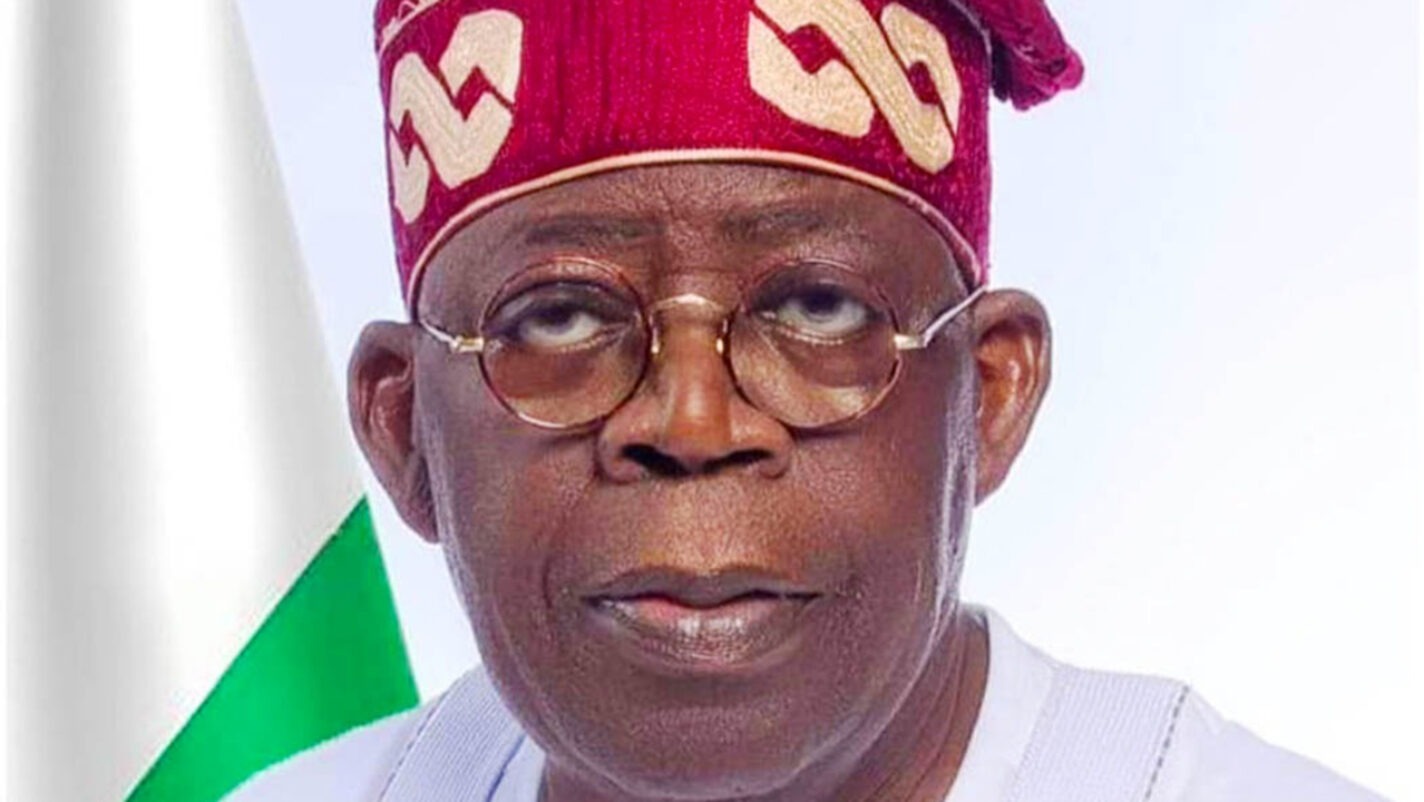
Under President Bola Ahmed Tinubu’s watch, there has been renewed effort to address some of these long-standing issues. His administration has moved to implement tough economic reforms, including the removal of fuel subsidies and efforts to stabilize the exchange rate. The government has promised to focus on infrastructure, agriculture, and digital technology as engines of growth. However, Nigerians are still grappling with the high cost of living, inflation, and insecurity, which overshadowed the early months of his presidency. For Tinubu’s reforms to have meaningful impact, they must be followed with practical relief measures that cushion life for the poor and vulnerable.
There are areas where reforms are urgently needed. Education needs more funding, better curricula, and improved teacher welfare to prepare a competitive workforce. Healthcare requires investment in hospitals, training for medical staff, and better welfare to prevent brain drain. The judiciary must be reformed to ensure accountability and timely justice. The power sector must be overhauled to provide consistent electricity, which will drive industrialization and attract foreign investment. Agriculture demands modern technology and security for farmers. And most importantly, insecurity, which threatens every other aspect of development, must be decisively tackled if Nigeria is to make sustainable progress.
As the country marks 65 years of independence, it is a moment for Nigerians to pause and ask themselves what independence really means. For some, it is the ability to govern themselves and chart their own course. For others, it is the freedom to dream and pursue opportunities in a country that protects their rights. Independence, however, is more than just political sovereignty. It is about building a nation where justice, equity, and prosperity are accessible to all citizens.
But it must be pointed out that nation-building is not the job of government alone. It involves every citizen — from the farmer in the rural community to the teacher in the classroom, the trader in the market, the doctor in the hospital, the entrepreneur in the city, and the civil servant in the office. Each has a role to play in shaping the country’s destiny. Corruption, tribalism, and indifference cannot build a strong nation. It is only through shared responsibility, honesty, and commitment that Nigeria can fulfill the promise of independence.
As Nigeria turns 65 today, there is much to celebrate and much to reflect on. The journey has not been easy, but the resilience of the Nigerian people has kept the flag flying. The hope of the founding fathers that the country would one day take its rightful place in the world remains alive. For now, Nigerians can look back with pride at how far they have come and look forward with determination to the work that lies ahead. And as the anniversary is marked across the federation and beyond, it is fitting to wish the people of Nigeria peace, unity, and prosperity in the years to come. God bless Nigeria.
Chief Sir Asinugo, PhD., M.A., KSC