
Investigation should precede any call for London Mayor’s resignation By Emeka Asinugo

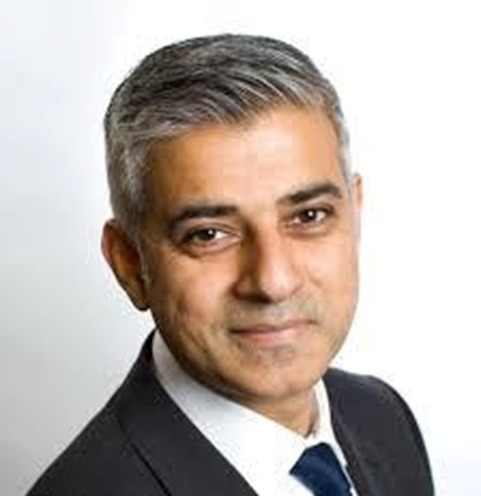
Emotions naturally run high when a large and complex city like London trembles under the weight of allegations as serious as the sexual grooming of young girls by organised gangs. They become even more charged when fingers tend to point towards the city’s elected leader. And that is why many Londoners are concerned that in recent weeks, their Mayor, Sir Sadiq Khan, has faced mounting pressure from some politicians to step down, following allegations that he covered up or ignored reports of grooming gangs operating in parts of the capital. These gangs are said to have lured vulnerable young girls into hotels, plied them with drugs, and subjected them to sexual abuse.
The allegations have stirred deep outrage, and rightly so. But in the face of the clamour for Sir Khan’s resignation, there is a more fundamental question that hungers for an answer: is it right, or even due process, to demand that the Mayor step aside before any independent and thorough investigation has established the facts of his wrong doing or otherwise? Accountability is a cornerstone of democracy, but so also is justice. And justice demands the establishment of truth before punishment.
The heart of this troubling development is not simply the alleged political failure. It is the collapse of moral integrity that cuts across the city’s institutions and even its communities. As a city of nearly ten million residents, London thrives on an intricate societal web that predicates on civic participation. When crimes as heinous as these are committed in neighbourhood hotels, not in hidden caves or remote forests, they suggest more than one layer of negligence.
First is that the public has a civic responsibility to act as the eyes and ears of the entire community. If residents or workers in the vicinity of the hotels saw suspicious activities, like underage girls frequenting hotels with adult men, drug use, or evidence of sexual exploitation and say nothing to the law enforcement agencies, their silence becomes complicity. The duty to report such matters to the police cannot be said to be optional. It is an ethical and civic obligation. Sadly, the culture of “mind your business” often prevails in large urban settings. Many Londoners have grown so accustomed to avoiding interference in others peoples’ affairs that even when danger unfolds nearby, it is too often ignored. And so, this failure in collective vigilance enables predators to thrive under the cover of anonymity. Before pointing fingers solely at politicians, therefore, we must admit that public indifference played its part in allowing evil to flourish in our communities and our societies.
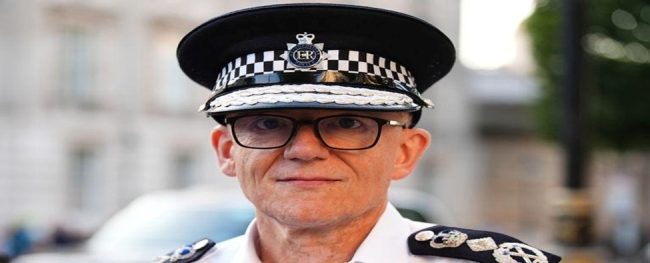
The second line of consideration must then fall upon the Metropolitan Police Service as the institution directly charged with safeguarding Londoners and investigating crimes. If there were credible reports that young girls were being groomed, drugged, and raped, and the police failed to record or properly investigate such reports, that situation would represent a monumental breach of public trust. But it would not be the first time that questions have been raised about the Metro’s handling of grooming or sexual exploitation cases. Previous investigations that took place in Rotherham, Telford, and Rochdale revealed patterns of neglect, mismanagement, and cultural discomfort around the investigation of certain types of offenders, for fear of being accused of racism or community bias. If the same institutional hesitations or bureaucratic weakness have taken root within the Metropolitan police, then the public deserves full transparency and reform and not just selective outrage aimed only at political figures. The police are operationally independent, but they are also accountable. Their duty is clear: to investigate crime, protect victims, and ensure that perpetrators face justice. If these duties were neglected or buried under paperwork, then no amount of political resignation can adequately compensate for the damage done to victims and to the city’s conscience.
Having said that, it is important that as the political and civic face of London’s governance, Sir Sadiq Khan is not completely exonerated from whatever is at stake. Since he assumed office in 2016, the Mayor has maintained strategic oversight of the Metropolitan Police. He has appointed the London Police and Crime Commissioner and set broad policing priorities. That role does not involve directing day-to-day police operations but it does require ensuring that the police force remains transparent, accountable, and responsive to public safety concerns. If it turns out that the Mayor’s office failed to act on credible intelligence, or that it downplayed the scale of the problem, or resisted calls for an independent inquiry, then such actions would rightly attract public disapproval.
But condemnation must follow evidence, not mere accusation. To call for Sir Sadiq Khan’s resignation without first establishing whether he knowingly suppressed reports or ignored warnings would tantamount substituting mob justice for due process. Yes, leadership demands accountability, but it also deserves fairness. Londoners should not lose sight of the fact that the Mayor has faithfully served them since 2016. He has navigated numerous crises, from terrorism to pandemic management and has largely been viewed as a competent, reform-minded leader which was why they voted him for a third tenure. If that record is to be undone, it must be undone by facts, not by political opportunism.
It is not lost on the public that calls for Sadiq Khan’s resignation are emerging from a charged political environment. Britain’s political landscape is polarized, and London’s mayoralty has long been a symbol of progressive politics. The temptation to weaponize scandal for political gain is real and regrettably common. Yet, the stakes here are too high for that caliber of political theatrical. Grooming and sexual exploitation of young girls are crimes that scare victims for life and corrode the moral essence of society. They demand a sober, comprehensive response that rises above political party lines.
To rush into blaming the Mayor without a full investigation risks diverting attention from the real issues: how predators have operated with impunity, how institutions have failed to act, and how systems meant to protect the vulnerable broke down so completely. A responsible democratic dispensation will not leap onto conclusions without demanding evidence. An independent investigation must therefore be commissioned with authority to subpoena documents, question officials, and publish its findings without political interference. Only then can Londoners know whether the failure was systemic, operational, or political — or all three.
It bears repeating that behind the headlines are human lives, girls whose innocence was stolen, whose trust in society had been shattered. Justice for them must be swift and uncompromising. But justice, if it is to mean anything, must also apply to those accused of wrongdoing. The presumption of innocence is not courtesy, it is a principle that protects us all. Sadiq Khan deserves that protection until he is proved guilty or otherwise. To strip him of that fairness would set a dangerous precedent — that any elected public official can be toppled by accusation alone, without inquiry or evidence. London must resist that temptation. The city’s integrity might as well depend on it.
If these grooming allegations are true, then London faces not just a policing scandal, but a societal failure. The public turned away, the police hesitated, and the Mayor’s office perhaps did too little. This will not merely be about one man’s resignation; it will be about restoring London’s moral compass. London must reawaken its collective conscience. Citizens must report the antisocial behaviours they see. The police must act without fear or bias. And leaders, from the Mayor to the Parliament, must ensure that no victim ever again feels unheard.
But until investigations are concluded, fairness demands restraint. Sir Sadiq Khan, who has served London meritoriously since 2016, deserves the benefit of due process. If he is guilty of negligence or concealment, then justice must take its course. If he is not, then his name must be cleared with equal vigour. Londoners must remember that at the end of the day, justice is not only about punishing the guilty. It is also about protecting the innocent, even when the innocent stands accused.
Chief Sir Asinugo, PhD., M.A., KSC writes from the UK


