

ABUJA, JULY 11, 2026
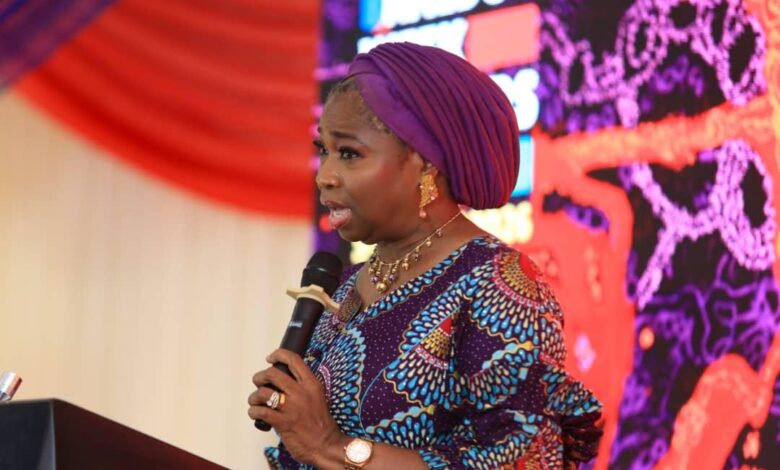
The Chairman/CEO of the Nigerians in Diaspora Commission (NiDCOM), Hon. Abike Dabiri-Erewa, has said that culture is the bedrock upon which nations are built.
She said this while commending Australia’s example of honouring its Indigenous peoples through the National Aboriginal and Islanders Day Observance Committee (NAIDOC) Week consistently for five decades.
Speaking as special guest of honor, at a reception hosted by the Australian High Commission in Abuja to mark the 50th anniversary of the celebration, Dabiri-Erewa said she was honoured to stand alongside Australia in recognising the history, culture and achievements of Aboriginal and Torres Strait Islander peoples.
“As Chairman of NiDCOM, I come not just as a representative of the Nigerian Government, but as a sister from another part of the world that also understands the power of resilience, culture and community,” she said.
An exhibition on display at the event struck a personal chord. Dabiri-Erewa noted that many of the photographs reminded her of her own heritage, reflecting experiences shared by Indigenous communities the world over.
She pointed to the word “Deadly”, which in Aboriginal English means strong, proud and excellent, as capturing the true weight of the fifty year milestone being marked.
Australia, she said, has proved a simple truth: a nation that honours its roots strengthens its future.
“The way Australia has created space to celebrate First Nations culture, language and leadership is something we admire. It teaches us that nation building must include everyone and that the wisdom of First Peoples and ancestral communities is invaluable national capital,” she said.
Nigeria, home to more than 250 ethnic groups and a wealth of indigenous traditions, shares that same diversity, she added.
“Without culture, you are empty. When you lose your culture, you lose everything,” she said.
Turning to this year’s theme, Dabiri-Erewa said it spoke directly to the next generation, pointing to young Aboriginal and Torres Strait Islander professionals already making their mark in law, healthcare, technology, the arts and sports. She drew a parallel with young Nigerians in the diaspora, who continue to excel globally while holding fast to their cultural identity.
“Our responsibility as leaders is to clear the path for them to thrive,” she said.
The Australian High Commissioner to Nigeria, Leilani Bin Juda, also speaking at the event said the relationship between the two countries reaches beyond trade and diplomacy into shared values, cultural exchange and lasting people to people ties.
Diplomacy, she said, is conducted not only through governments and institutions but through culture, conversation and human connection.
“Nigeria and Australia are very different countries in many respects, but we share an understanding of the importance of culture, community and identity,” Bin Juda said.
Both nations, she noted, are shaped and enriched by remarkable diversity, with traditions, languages and histories that continue to define their national character. She added that Australia and Nigeria enjoy a warm and growing friendship, built on mutual respect, trade, investment and cooperation across several sectors.
The reception included a screening of Gurrumul, an acclaimed Australian documentary on the life of Geoffrey Gurrumul Yunupingu, the late Indigenous Australian singer and songwriter who was born blind and remains Australia’s most commercially successful First Nations artist.
NAIDOC Week is an annual celebration of the history, culture and achievements of Aboriginal and Torres Strait Islander peoples with this year marking its 50th anniversary.