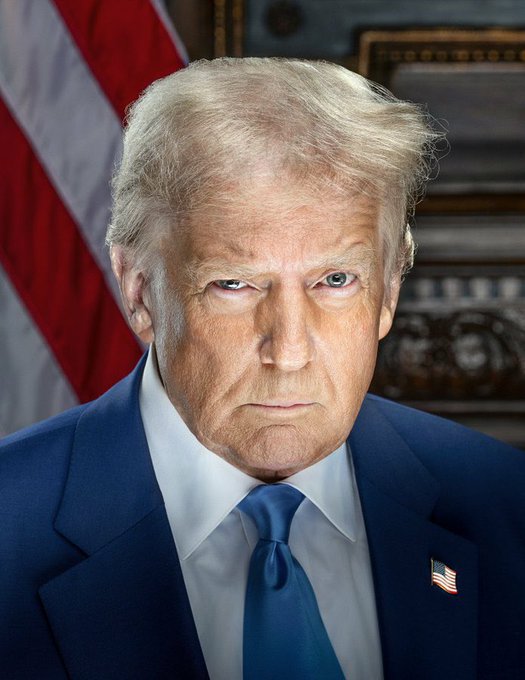
Governor David Umahi of Ebonyi State (2nd right); Special Assistant to the Governor on Labour Relations, Mrs. Grace Chukwu; State Chairman, Nigeria Labour Congress, Leonard Nkah; and State Chairman, Trade Union Congress, Michael Nwonu (right) at the Abakaliki Township Stadium, Abakaliki on Monday
Governor David Umahi of Ebonyi State (2nd right); Special Assistant to the Governor on Labour Relations, Mrs. Grace Chukwu; State Chairman, Nigeria Labour Congress, Leonard Nkah; and State Chairman, Trade Union Congress, Michael Nwonu (right) at the Abakaliki Township Stadium, Abakaliki on Monday
By Freedom Ajala, Abakaliki
Armed bandits Monday, disrupted a rally organized by a faction of the Nigeria Labour Congress, NLC, to commemorate Workers’ Day in Abakaliki, the Ebonyi State capital, forcing many to take to their heels.
The Comrade Ikechukwu Nwafor-led faction of the NLC had staged its rally which was massively attended by the members of some affiliate unions loyal to him at the right wing of the entrance to the Federal Teaching Hospital, Abakaliki (FETHA 1) during which it presented the address of the National Chairman of the NLC, Comr. Ayuba Wabba to those present.
It was gathered that shortly after the affiliate union’s leaders had presented their addresses to their members and were having some light refreshments, a group of unidentified armed men said to be numbering about 30 hit the venue allegedly with various weapons including guns and machetes shooting sporadically into the air before ordering workers out of the venue.
They also damaged some chairs and canopies used for the rally.
When our reporter visited the area, the damaged items were still seen lying on the ground while no single worker was seen around the premises.
Narrating their ordeal, one of the workers who said he is a member of the Non-Academic Senior Staff Union of Akanu Ibiam Federal Polytechnic, Unwana, Mr. Alfred Ibe said they were just having their refreshment when they started hearing shouts of people marching into the venue and ordering everybody to leave immediately.
“We had thought they were just pulling our legs until they started destroying the canopies and we took to our heels and scampered to safety. They told us that everybody must go to the stadium where the Governor wanted to address every Ebonyi worker. But we had all dispersed, leaving some of our items behind due to the commotion caused by the attack,” narrated Mr. Ibe.
Condemning the incident, Comr. Nwafor, who said he was infuriated by the actions of the hoodlums whom he said were thugs allegedly sent by the State government to attack him and disrupt the rally, faulted the position of the hoodlums that his faction cannot hold a rally in the state but must be part of the rally organized by the Nkah-led faction of NLC which he said was bank-rolled by the State government.
Speaking in a telephone interview after escaping unhurt, Comr. Nwafor said the fact that the hoodlums came on their mission with a Peoples Democratic Party, PDP, vehicle was enough proof that they were agents of the State government.
“Some thugs came into the venue with a branded PDP vehicle, chased everybody away and even shot some bullets into the air. They threw away all the canopies and chairs while the programme was still on. I had to escape because I knew I would be the target. I just hid behind the vehicle and was watching them. Even the CMD of the hospital came out when these actions were going on. They were sent by the Governor”, he alleged.
Comr. Nwafor further said the action of the hoodlums was a huge disappointment to the freedom of workers in Ebonyi State.
“Today is a public holiday. And May Day is not a government event. It is a day set aside for the celebration of workers. So workers are not compelled to celebrate it at the stadium. They have the right to stay anywhere and celebrate their May Day. But people coming to shout at them and chase them that they must go to the stadium because that’s where the Governor is is not right and it is condemnable”, he maintained, while calling on Ebonyi workers to remain steadfast.
Comr. Nwafor had earlier presented the address of the NLC National Chairman, Comr. Ayuba Wabba to the gathering wherein he had harped on the new minimum wage increment.
Read Comr. Nwafor, “The technical committee has recently submitted its report to government and we call on government without any further delay to constitute the tripartite minimum wage negotiating committee with a time lag to submit a new minimum wage for the Nigerian workers”.
Meanwhile, the May Day march-past was held at the Abakaliki township stadium by workers under the Comr. Leornard Nkah-led faction which comprised mainly NULGE and NUT members.
In his address in Abakaliki, Governor David Umahi of Ebonyi State said he would suspend the controversial pension law of the state.
“We are brothers and sisters. My target as governor is to better Ebonyi state and on that note we are going to suspend the pension law and all your desires would be taken into consideration.
“And in the month of May every deduction made in the name of the pension law will be refunded to you, it is your duty to sit down and articulate what you want the new pension law to be, I will not interfere,” he assured.
Governor umahi further assured that his government would continue to pay pension to retired workers and release the accumulated promotion of workers and leave allowance.
“From the month June what we will do is to continue to pay the leave allowance both for workers from the local government and state”, he said.
He however stated that 1 billion naira would be drawn from state and local government coffers to offset the accumulated gratuity in the state.