In every functional democracy, the rule of law is the invisible architecture that holds the nation together. It is the quiet agreement that no one is above the law and that institutions, not individuals, define the conduct of society. Where laws are respected, order thrives. Where they are ignored, chaos and insecurity prevail. Nigeria today stands dangerously close to the second condition, where laws exist in abundance but obedience to them is scarce, selective, or entirely absent.
Nigeria is not lacking in legislation. From constitutional guarantees to federal statutes, regulatory frameworks, and judicial pronouncements, the country has an impressive body of laws that are designed to protect rights, regulate conduct, and promote justice. Yet, the lived reality of millions of Nigerians tells a different story. They speak of a nation where laws are routinely violated by citizens and, more troublingly, by those entrusted with enforcing them. The contradiction is glaring.
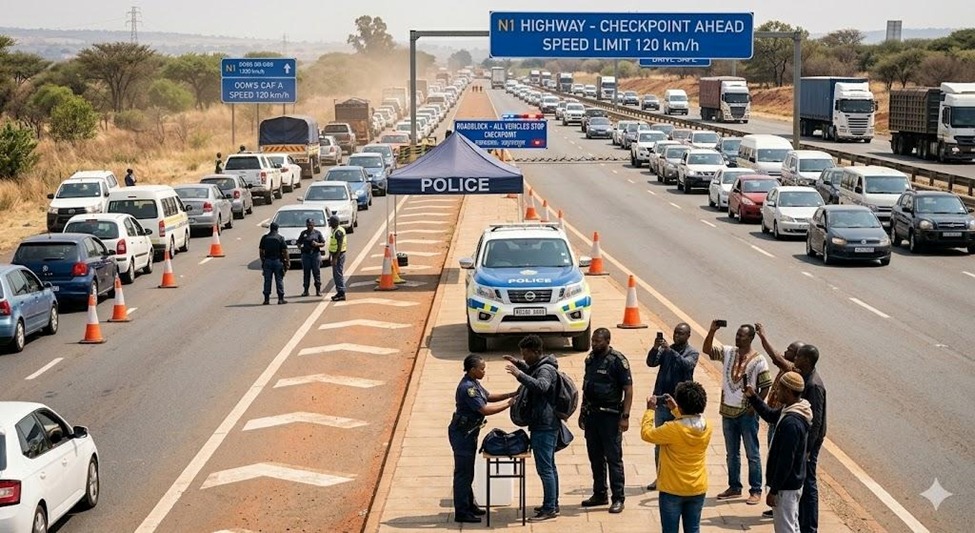
Consider the landmark judicial affirmation of Justice Evelyn Nkeonye Maha of Abuja High Court in 2020, that Nigerians have the right to record police officers performing their duties in public. The ruling was meant to strengthen transparency and accountability in policing, a critical need in a country where allegations of abuse of power have long plagued law enforcement agencies. Yet, despite this clear legal freedom, citizens are still harassed, intimidated, and sometimes arrested for doing exactly what the law permits. But then, do we need to be reminded that the gap between law and practice is not merely administrative, it is systemic.
The same pattern plays out in the healthcare sector. The National Health Act of 2014 was designed as a lifesaving intervention, ensuring that no Nigerian would be denied emergency medical treatment due to inability to pay. It recognized the simple truth that emergencies do not wait for financial arrangements. Yet, across the country, both public and private hospitals continue to demand payment before treatment, even in life-threatening situations. The result is a tragic and avoidable loss of lives, a silent crisis that unfolds daily in emergency wards and maternity units.
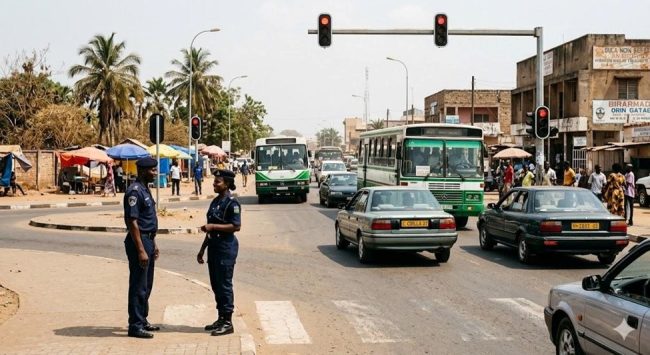
Traffic laws provide another vivid illustration of this national dysfunction. On paper, Nigeria’s traffic regulations are clear and comprehensive. In practice, they are treated as optional guidelines rather than binding rules. It is not uncommon to see drivers, including government officials, driving against traffic, ignoring red lights, or flouting basic safety regulations without consequence. When those who represent authority openly disregard the law, they send a powerful and dangerous message: that obedience to the law is for the weak, not the powerful.
This culture of impunity extends far beyond roads and hospitals. Across the country, public infrastructure is vandalized with alarming frequency. Electric transformers are dismantled and sold as scrap. Railway tracks are stolen piece by piece. Oil pipelines are sabotaged, not only depriving the nation of revenue but also causing environmental devastation. Public water facilities are neglected or deliberately damaged. In many communities, streetlights installed at great public expense are either destroyed or left to decay without maintenance.
Tax evasion is another widespread issue. Despite the need for revenue to fund public services, many individuals and businesses deliberately avoid paying taxes, often with little fear of consequences. In some cases, officials tasked with enforcing tax laws are themselves complicit, accepting bribes in exchange for overlooking violations. This undermines the fiscal foundation of the state and limits its ability to deliver essential services.
Building codes and urban planning regulations are also routinely ignored. Structures are erected without proper approval, often in unsafe locations or using substandard materials. The consequences are predictable: building collapses that claim lives and destroy livelihoods. Yet, even after such tragedies, enforcement remains weak, and the cycle continues.
Environmental laws suffer a similar fate. Waste disposal regulations are ignored, leading to blocked drainage systems and flooding during the rainy season. Illegal dumping pollutes streets, rivers and farmlands. Deforestation proceeds unchecked in many areas, contributing to climate challenges and loss of biodiversity. Again, the issue is not the absence of laws but the absence of enforcement and compliance.
Elections, the cornerstone of democracy, are not immune to this pattern. Electoral laws are frequently violated through vote-buying, intimidation, and manipulation of results. While there have been improvements in some areas, the perception that elections are not entirely free and fair continues to undermine public confidence in the country’s democratic institutions.
At the heart of all these examples lies a fundamental question: why do Nigerians, including those in positions of authority, so often ignore the law? One major factor is the erosion of trust in institutions. When citizens perceive that laws are applied selectively, that the powerful can violate them with impunity while the weak are punished, they lose faith in the system. Compliance then becomes irrational, even foolish, in the eyes of many. Why obey a law that others can break without consequence?
Another factor is weak enforcement. Laws are only as effective as the mechanisms in place to enforce them. In Nigeria, enforcement agencies are often underfunded, poorly trained, or compromised by corruption. In some cases, there is simply no political will to enforce certain laws, especially when doing so would inconvenience powerful interests.
Corruption itself is a major driver of lawlessness. When officials accept bribes to overlook violations, they effectively nullify the law. This creates a parallel system where outcomes are determined not by legal principles but by financial transactions. There is also a cultural dimension. Over time, a culture of non-compliance has taken root, where cutting corners and bending rules are seen as normal, even necessary, for survival. This is particularly true in a context where economic hardship makes strict compliance difficult for many.
Education and awareness are also part of the problem. Many Nigerians are simply unaware of their rights and responsibilities under the law. The National Health Act is a case in point. If more citizens knew that they were entitled to emergency treatment regardless of their ability to pay, and if women knew they had free antenatal and delivery healthcare in any hospital in the country or that treatment for children under five years was free of charge in all medical centres in the country, they might be more likely to demand it, and to hold violators accountable.
The consequences of this widespread disregard for the law are profound in deed. It undermines governance, weakens institutions, and erodes public trust. It discourages investment, as businesses are wary of operating in an environment where rules are unpredictable or unenforceable. It exacerbates inequality, as those with power and resources are better able to navigate or manipulate the system. Ultimately, it threatens the very foundation of democracy. A democracy cannot function effectively when laws are treated as suggestions rather than obligations. Elections alone are not enough. True democracy requires a commitment to the rule of law, where both leaders and citizens are bound by the same standards.
So, what can be done to reverse this troubling trend and build a more resilient democratic system in Nigeria?
First, there must be a renewed commitment to the rule of law at the highest levels of government. Leaders must set the example by obeying the law themselves. This includes something as basic as adhering to traffic regulations. Symbolism matters. When leaders demonstrate respect for the law in their daily conduct, it sends a powerful message to the rest of society. Second is that enforcement mechanisms must be strengthened. This requires adequate funding, training, and oversight for law enforcement agencies. It also requires insulating these agencies from political interference, so they can operate independently and impartially.
Third, there must be consequences for violations, regardless of who is involved. Accountability must always be the key. When individuals, especially those in positions of power, are held accountable for breaking the law, it reinforces the principle that no one is above it. Fourth, anti-corruption efforts must be intensified. This includes not only prosecuting corrupt officials but also addressing the systemic factors that enable corruption, such as low wages, lack of transparency, and weak institutional controls.
Fifth, public education and awareness campaigns are essential. Citizens need to understand their rights and responsibilities under the law. This can be achieved through schools, media, and community outreach programmes. Knowledge empowers citizens to demand accountability and to comply with the law themselves.
Sixth, technology can play a significant role in improving compliance and enforcement. Digital systems can reduce opportunities for corruption, improve transparency, and make it easier to monitor compliance. For example, electronic traffic enforcement systems can reduce the need for direct interaction between drivers and enforcement officers, thereby minimizing opportunities for bribery.
Seventh, there must be a focus on institutional reform. Strong institutions are the backbone of any democracy. This includes the judiciary, law enforcement agencies, regulatory bodies, and public service institutions. Strengthening these institutions requires not only resources but also a commitment to merit, professionalism, and integrity.
Eighth, community engagement is crucial. Laws are more likely to be respected when communities feel a sense of ownership and involvement in the governance process. This can be achieved through participatory governance, where citizens have a voice in decision-making and are actively involved in monitoring compliance.
In summary, there must be a shift in societal values. Respect for the law must be seen not as a burden but as a shared responsibility and a foundation for collective progress. This is perhaps the most challenging aspect, as it requires a change in mindset at both individual and collective levels.
Nigeria has all the ingredients needed to build a strong and resilient democracy: a vibrant population, abundant resources, and a comprehensive legal framework. What is lacking is not the law itself but the will to obey and enforce it.
The question, therefore, is not whether Nigerian democracy can work, but whether Nigerians, both leaders and citizens, are willing to make it work by respecting the rule of law. Until that happens, the gap between what is written in statutes and what is practiced in reality will continue to widen, and the promise of democracy will remain unfulfilled. The path forward is clear, even if it is not easy. It requires courage, commitment, and collective action. But the reward, a stable, just, and prosperous Nigeria that stands as a model for Africa, is well worth the effort.
Chief Asinugo, PhD., M.A., KSC, a veteran journalist, is a highly respected commentator on national and international affairs.