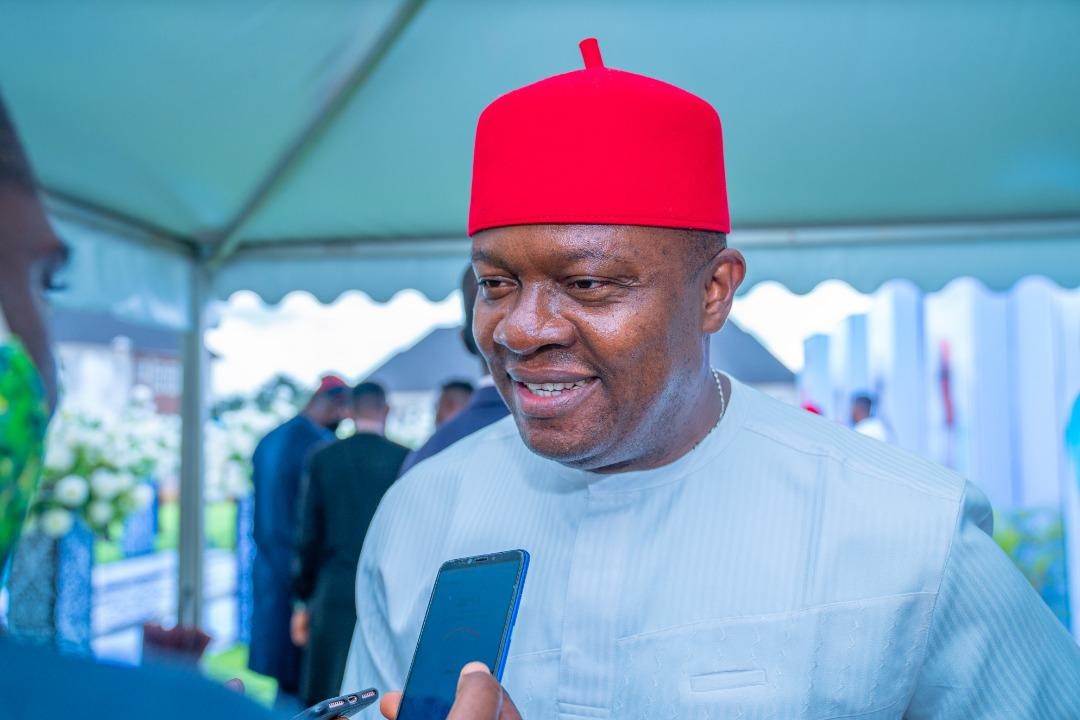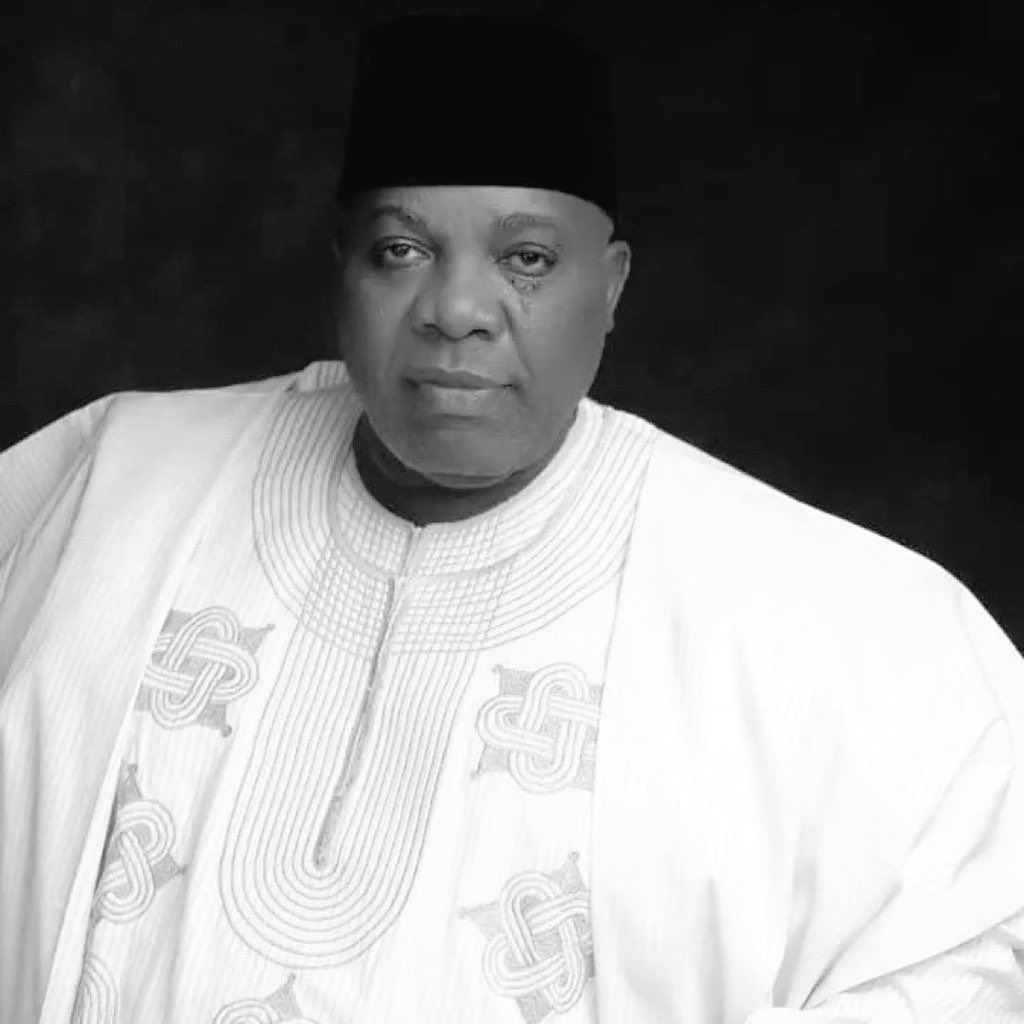


Sani who said this at a three-day retreat organised for members of the committee by the Debt Management Office in Minna, Niger State, Thursday, expressed the optimism that with an aggressive advocacy on what such debts were taken for, Nigerians would support such initiative aimed at driving development and engendering development.
“There is need for strategy mix anchored on proper advocacy on what debt management is all about. Nigerians want to know why governments borrow, to what purpose such debts are taken and I can say that once it is well explained, the people will key into the programme.
“I therefore hope that the DMO will rev up its advocacy especially in the major languages because a whole lot of Nigerians don’t seem to understand why their states governments will take loans and they cannot see why the loan was taken in the first instance.”
“Debt is a veritable tool for economic growth and development if properly managed. I also believe that an effective debt management that emphasizes transparency due process, and fiscal discipline can precipitate a turnaround in the economy.”
According to him, the Senate will look at the DMO Act to amend it to meet the realities of the present economic situation, noting that the legislature should be involved in the negotiations of loans as it will not only enhance their capacity but offer a clear insight into the terms and conditions of such loans.
Another member of the committee, Senator Sani Yerima, observed that there was need for greater collaboration between the National Assembly and the executive so that Nigerians can stand to reap the benefits of borrowed funds.
“As governor we had caps to what we could borrow. But today states borrow arbitrarily and leave debts that will be repaid for the next 3- to 40 years. The National Assembly will work closely with the DMO to develop a framework on this matter,” he said.
Remarking, Director General of the DMO, Dr. Abraham Nwankwo, said the workshop with the theme; Processes and Procedures for External and Domestic Borrowing and Settlement, has become imperative given the funding of the 2016 budget from loans.
According to Nwankwo, the federal government does not just borrow for borrowing sake but to address the challenge of development and infrastructure growth.
He explained that the workshop is to not only keep the lawmakers abreast of developments in the Nigerian debt sector but to get their buy-ins in the DMO’s drive to seek for funding from the capital market.
You may also like: Senate divided over proposal to allow president initiate constitution amendment.
The DMO boss also said that states have not been barred from raising funds rather that the National Economic Council was against borrowing from commercial banks but supports states seeking for capital from bonds, which is cheaper and more sustainable in the long run.